
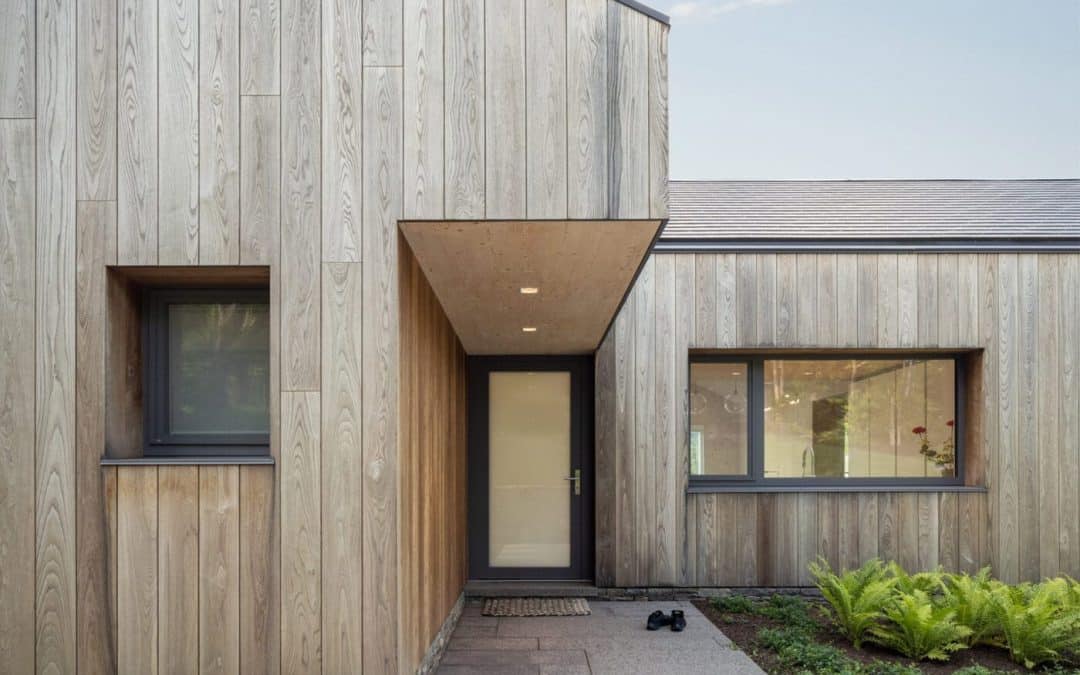
Timber cladding is still the best choice for building facades in 2026 because it is beautiful, flexible in design, and lasts a long time. Timber cladding is a great choice for modern homes, cladding extensions, and refined interior applications because it can improve both the look and the value of a home. Timber cladding options today are better, longer-lasting, and more environmentally friendly than ever before. They come in a wide range of styles, from clean vertical profiles to modern wide-board designs. To make the right choice, you need to know how styles, finishes, and prices compare. This guide goes over everything you need to know before choosing timber cladding for your next project.
Why Timber Cladding is Still a Popular Choice for Buildings
Timber cladding is one of the few materials that can match the look, performance, and environmental friendliness of wood. In terms of architecture, it adds warmth and texture that makes modern shapes softer while still supporting clean, modern design. Timber works just as well on full façades, feature walls, and cladding extensions, which are all places where it’s important to blend new buildings with old ones.
When properly specified, modern timber cladding systems are made to handle moisture, allow for movement, and stand up to harsh weather conditions. Because of better processing and more environmentally friendly forestry practices, reputable timber yards now have more high-quality timber supplies. This is good for the environment and for making sure that the materials are always of high quality.
Timber cladding also works well for interior cladding, which lets designers make spaces that are natural, refined, and architecturally sound.
In 2026, you should know about the best styles of timber cladding.
In 2026, timber cladding styles will focus on clean lines, good proportions, and fine details. Vertical cladding is still the most popular choice, especially for modern homes and buildings with more than one floor, where it makes the height and structure look better. People still ask for shiplap profiles because they have clean lines and hold up well in bad weather. Board-and-batten styles are also popular for feature façades and architectural contrast.
Wide-board cladding is also becoming more popular because it looks high-end and simple, with fewer joints and a stronger visual impact. To keep things consistent throughout a project, these styles are often used on outside walls, cladding extensions, and inside walls. The choice of wood often depends on the architect’s goals, the weather, and whether or not a trusted timber yard has the right wood.
What kind of timber cladding is best for modern homes in 2026?
In 2026, vertical timber cladding will be the most popular choice for homes. It looks great with minimalist architecture and goes well with materials like concrete, steel, and glass. People really like concealed-fix vertical systems because they make façades look smooth and clean. Vertical cladding looks modern and lasts a long time when combined with strong wood species or factory-applied finishes. This makes it perfect for new buildings and architectural cladding extensions.
What kind of timber cladding lasts the longest in Australia?
The type of wood used, how stable it is, and how well it is finished all affect how long timber cladding will last. In Australia, where there is a lot of UV exposure, humidity, and coastal environments, naturally strong hardwoods and modified timbers work very well. Coatings that are put on at the factory make things a lot more resistant to moisture and weathering, which means less maintenance over time. Choosing the right timber supplies for the climate zone where you live and buying them from a reputable timber yard is very important for long-term performance.
What are the most popular trends in timber cladding for 2026?
In 2026, people will want timber cladding that is simple, textured, and good for the environment. Modern design is mostly made up of vertical orientation, boards of different widths, and finishes that are darker or closer to their natural colour. Sustainability still affects what materials are used, and there is more demand for responsibly sourced and modified timbers. Low-sheen finishes that bring out the natural grain are popular. This makes wood look more natural on both the outside and inside of buildings.
What are the differences between the profiles of different types of wood cladding?
Shiplap cladding has a sleek, overlapping profile and protects against the weather well, so it can be used for many different projects. Vertical cladding gives a building a modern look, but it has to be put up just right. Board-and-batten profiles add depth and shadow lines. They are often used for feature walls or parts of a facade that are different from the rest. Different profiles have different effects on how they look, how hard they are to install, and how much exposure they get. So, the choice should be based on the design, the budget, and the amount of wood available.
Is Vertical Timber Cladding Still Fashionable in 2026?
Yes, vertical timber cladding is still very much in style in 2026. It has become a long-term design standard because of its clear architecture, ability to adapt, and compatibility with modern building methods. Better fixing systems and pre-finished coatings have made it even more appealing by making it last longer and making it easier to care for. Vertical cladding is no longer seen as a trend that will go away; it is now seen as a classic.
Which style of timber cladding needs the least upkeep?
Most of the time, low-maintenance timber cladding systems use stable profiles and finishes that are applied at the factory. Vertical and shiplap profiles with hidden fixings keep moisture from getting in, and modified timbers and pre-finished boards make maintenance cycles longer. Smooth, even profiles are better at withstanding the weather and are easier to clean, making them a good choice for both exterior façades and interior cladding where looks are important over time.
What Will Timber Cladding Cost Per Square Metre in 2026?
The cost of timber cladding in 2026 will depend on the type of wood, the design of the profile, the width of the boards, and the finish. Entry-level options are cheaper, but premium hardwoods, wide boards, and pre-finished systems cost more up front. The price also depends on how hard it is to install and how to fix it. Even though higher-quality cladding may cost more at first, it often lasts longer, needs less maintenance, and looks better over time.
How to Pick the Best Wood Cladding for Your Project
When picking the right wood cladding, you have to think about how it looks, how well it works, and how much it will cost over its lifetime. Think about the weather and sun exposure in your area, as well as whether the cladding will be used outside, inside, or for extensions. Make sure the profile and finish match the style of the building, and think about how much maintenance you’ll need to do early on. When you work with a reputable timber yard, you can be sure that you will always have access to high-quality timber and expert advice that is specific to your project needs.
Timber cladding will still be a good choice for homes and businesses in 2026. It can be used on outside walls, inside walls, and cladding extensions, making it a great choice for projects that want something that will last, is eco-friendly, and has a classic look. You can get a façade that looks good and works well for decades by choosing the right profile, wood species, and finish and getting your materials from a reliable timber supplier.