The most important choice you will make for any furniture project is what kind of material to choose. The wood you choose doesn’t just affect how the finished piece looks; it also affects how strong it is, how well it can handle movement, and how hard (or fun) the build will be.
The word “timber” is extremely wide, but when it comes to good furniture, we are searching for very particular attributes. These are not the structural timber supplies that are used to make wall frames. We want a stable, well-grained material that can hold a joint and get a perfect finish. This book will help you find the right materials, answer the problems that manufacturers commonly have, and show you how to tell the difference between a sturdy board and one that may warp before the glue dries.
The 7 Most Important Questions for Every Furniture Maker
Most makers start with practical, tactical questions when they look for materials. Here are the short, clear answers to the most common questions about furniture-grade wood.
1. Where can I discover a store that sells hardwood near me?
You need to go beyond big-box hardware stores to find good materials.
Look for speciality wood suppliers and stores that only sell hardwood. These companies know what furniture makers require and have “dressed” boards and stable, kiln-dried stock on hand.
In Australia, look for stores that sell plants that are native to the area.
If you require a structural part for a rustic outdoor seat, they could even be able to point you to a place that sells hardwood sleepers.
But for more delicate indoor work, you need the solidity that an expert can give you. Getting to know a local merchant can frequently provide you with early access to the best stacks.
2. What kinds of wood are suitable for furniture that will be used inside and outside?
The species depends on how it will be used.
Furniture for the inside of a house puts looks and ease of use first. White Oak and American Black Walnut are two examples of high-quality hardwoods that might work well for these applications.
You need species that naturally resist rot, bugs, and UV rays for outdoor furniture.
Native hardwoods like Ironbark or Spotted Gum are typically used in Australia to set the norm for how long things last. These strong, long-lasting woods will always be better than generic outdoor materials and survive longer than softwoods.
3. What are the differences between “rough sawn” and “dressed” (DAR) wood?
Straight off the sawmill, rough-sawn wood is what you see. It features rough surfaces, saw marks, and sizes that aren’t always the same.
It costs less to buy, but you need special tools like a jointer and a thickness planer (thicknesser) to turn it into flat, square stock.
All four sides of dressed all round (DAR) wood have been planed smooth to exact measurements. DAR is “project-ready,” which means it’s perfect for those who don’t have industrial machines, but it costs more.
4. How do I know if wood has been appropriately seasoned or dried in a kiln?
Using damp, “green” wood to make furniture is a surefire way to ruin it. It’s important to have a reliable amount of moisture.
For furniture inside, try to get 8–12%. A calibrated moisture metre is the only test that is always right.
If you don’t have one, trust the reputation of the person who sells you wood. Ask directly, “Is this furniture-grade wood that has been kiln-dried or air-seasoned?”
Kiln-dried wood won’t have any checking (cracks) on the ends, and it will feel lighter than green stock. Properly seasoned wood doesn’t slide around as much and keeps joints stable.
5. Is it possible to employ construction-grade pine to make exquisite furniture?
Construction-grade pine is cheap, but it is not usually good for exquisite furniture.
This wood is treated quickly, has a lot of water in it, and typically has knots, pitch pockets, and chemical treatments (such as H3 for decking wood and structural framing).
After being put together, it is quite likely to warp and shrink.
“Clear pine,” which is a type of wood that is better for beginners learning joinery, is a better place to start, even though it costs more. Stick with well-known hardwoods for anything that will be fine furniture.
6. How can I figure out how many “board feet” or “super feet” I need for a wood order?
Timber, especially raw sawn timber, is sometimes sold by the cubic foot. In North America, the unit is the Board Foot (BF). People often call it Super Feet (SF) in Australia.
The conventional formula for volume is: $$\frac{\text{Thickness (inches)} \times \text{Width (inches)} \times \text{Length (feet)}}{12}$$
This is how much several high-end hardwoods, including White Oak, cost. You figure out cubic metres ($m^3$) in the metric system.
Always add 15–20% to your figures to account for waste. This allows for matching grains, getting rid of knots, and mistakes made during machining.
7. Where can I get slabs with “live edges” to make tables?
“Live edge” slabs keep the tree’s original bark line. You may frequently get these one-of-a-kind items from small sawmills, salvage timber supplies lots, or specialised online marketplaces.
These slabs often need to dry in the air for a long time (sometimes years) before they can be completed in a kiln. This is different from dimensional lumber.
When you look at a slab, make sure it is flat (not cupped) and enquire if it has been cleaned to get rid of borers. A solid live-edge slab makes a beautiful base for a river table or signature desk.
Deep Dive: How to Choose the Right Furniture Species
Knowing the differences between species, such as a regionally durable native and a classic imported hardwood like White Oak, will greatly influence the way your designs turn out.
Australian Natives: Strength and Personality
Blackbutt: A strong and flexible hardwood. Furniture makers that want a light to medium blonde colour love blackbutt. It is fairly sturdy and easy to machine because its grain is straight, but wild grain should be handled with care. Blackbutt is also a great choice for tough outdoor uses like flooring and decking timber that gets a lot of foot traffic because it is so dense.
Ironbark: One of the hardest and densest hardwoods in Australia. Ironbark is known for being hard to work with, but it lasts longer than anything else. Its strength makes it good for heavy-duty structural uses, and it can even be as strong as handrails or exposed beams. Ironbark is a great choice if you want to make strong, architectural furniture that will last for centuries.
Hardwood sleepers: Large-dimension hardwood sleepers are often thought of as landscape materials, but they are also a cheap method to get a lot of wood for rustic furniture. Be careful, though. These are often green or only partially seasoned, and they can move a lot. They work best for big leg portions in industrial-style designs, not for precise craftsmanship.
Classic Imports and Special Uses
White Oak: The best wood for making exquisite furniture, cabinets, and floors. People love White Oak because its grain is strong and straight and it doesn’t rot easily. It takes stains nicely and works well with traditional joinery. It does quite well in the timber supplies markets, and people typically choose it for everything from complicated chairs to structural cabinetry parts and even high-end handrails for homes.
Sourcing for a Specific Purpose
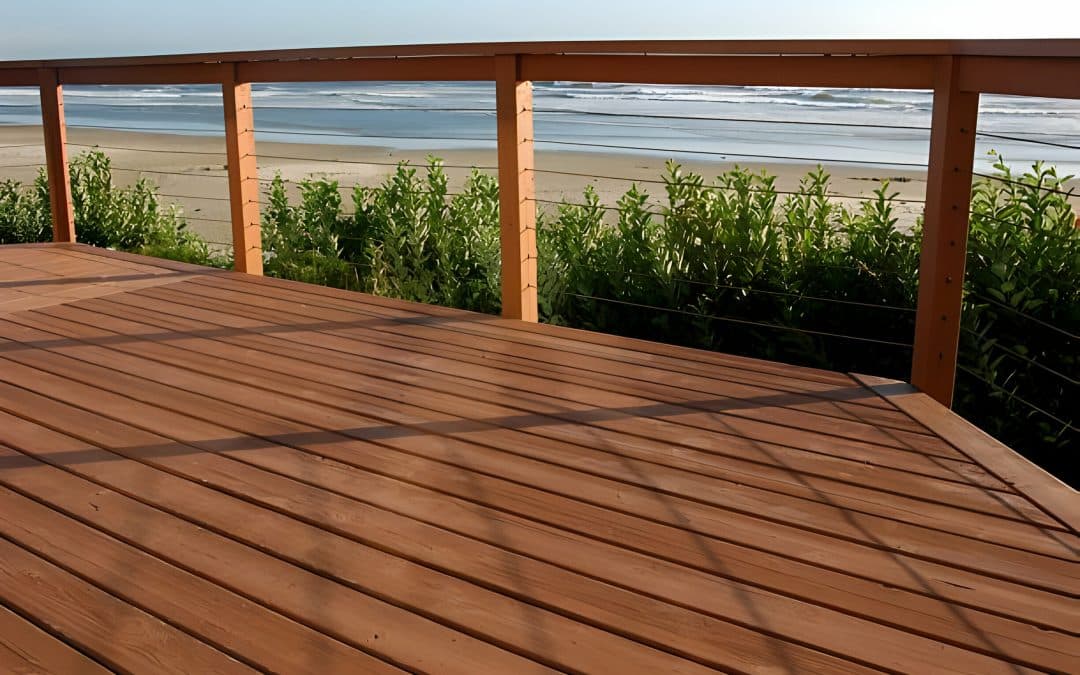
Decking Timber: This type of wood is chosen because it can withstand the weather and last a long time. This area is mostly made up of species like Jarrah, Spotted Gum, or high-quality treated Pine. When looking for decking timber, make sure it is stable and naturally resistant to decay so that it can stand up to the sun and rain in Australia.
Handrails: Need a type of wood that is smooth, very stable, and won’t splinter to make them safe and comfortable to touch. People enjoy hardwoods like White Oak, Tasmanian Oak, or strong indigenous. The wood must be able to take a good finish and stay straight even when people touch it a lot and their hands might get wet.
The quality of your wood is the most important thing, whether your next project is a simple blonde Blackbutt, a strong conventional White Oak, or a rustic piece of salvaged wood. When you look for wood to make great furniture, don’t just go to any old lumber store. Look for ones who specialise in hardwoods that are good for furniture.
Give the wood time to dry properly, learn about its specific properties (such how dense Ironbark is), and put in the effort to prepare it. The care you put into picking your wood will show in the finished product, which will be both attractive and strong.
When it comes to crafting a space that exudes warmth, elegance, and timeless beauty, few materials compare to the natural allure of Tasmanian Oak and White Oak. At Austimber, we take pride in offering an exquisite selection of these premium timber varieties, allowing you to discover the perfect materials to elevate your home or project.
Natural Beauty and Versatility
Tasmanian Oak and White Oak are renowned for their stunning grain patterns, rich colors, and exceptional durability. Whether you’re looking to create a rustic farmhouse aesthetic or a modern minimalist vibe, these versatile timbers provide the perfect foundation for any design style. From flooring and cabinetry to furniture and architectural accents, the possibilities are endless when it comes to incorporating Tasmanian Oak and White Oak into your space.
Timeless Elegance
One of the most appealing characteristics of Tasmanian Oak and White Oak is their timeless appeal. Unlike trendy materials that may come and go, these classic timbers have stood the test of time, lending an air of sophistication and refinement to any environment. Whether you’re designing a cozy family home or a chic urban apartment, Tasmanian Oak and White Oak add a touch of elegance that never goes out of style.
Sustainable and Eco-Friendly
At Austimber, we are committed to sustainability and environmental stewardship. That’s why all of our Tasmanian Oak and White Oak products are sourced from responsibly managed forests, ensuring that future generations can continue to enjoy these beautiful timbers for years to come. By choosing Austimber for your timber needs, you can feel good knowing that you’re making an environmentally conscious choice for your home or project.
Expert Guidance and Support
At Austimber, we understand that selecting the right timber for your project can be daunting. That’s why our team of experts is here to provide you with personalized guidance and support every step of the way. Whether you’re a seasoned builder or a DIY enthusiast, we’ll work closely with you to understand your vision and help you choose the perfect Tasmanian Oak or White Oak products to bring it to life.
Unmatched Quality and Service
When you choose Austimber, you’re not just purchasing timber—you’re investing in quality craftsmanship and unparalleled service. Our commitment to excellence is evident in every piece of timber we provide and every interaction we have with our customers. From our expertly curated selection of Tasmanian Oak and White Oak products to our dedicated customer support team, we’re here to ensure that your experience with Austimber exceeds your expectations.
Experience the Austimber Difference Today
Ready to discover the beauty and versatility of Tasmanian Oak and White Oak? Contact us today to explore our extensive selection of timber products and start planning your next project. With Austimber, you can trust that you’re receiving top-quality timber backed by unparalleled expertise and service. Let us be your partner in creating a space that reflects your unique style and personality.
When it comes to selecting premium wood for your home or project, three varieties stand out for their beauty, durability, and versatility: American Oak, Blackbutt, and White Oak. Each of these woods offers unique characteristics and benefits, making them popular choices among designers, builders, and homeowners alike. Let’s delve into the distinctive features of each wood type and explore why they are prized for their quality and aesthetic appeal.
American Oak, renowned for its strength and durability, is a timeless classic in the world of woodworking. With its warm, golden tones and prominent grain patterns, American Oak adds a touch of elegance to any space. Whether used for flooring, furniture, or cabinetry, this versatile wood lends a sense of sophistication and charm. Its durability and resistance to moisture make it suitable for both indoor and outdoor applications, making it a popular choice for a wide range of projects.
Blackbutt, native to Australia, is prized for its durability and natural beauty. With its pale golden hues and distinctive grain patterns, Blackbutt offers a rustic yet refined aesthetic that complements a variety of design styles. Its strength and resilience make it an excellent choice for flooring, decking, and structural applications, while its natural resistance to decay and insect infestations ensures longevity and low maintenance. Whether used in residential or commercial settings, Blackbutt exudes warmth and character, making it a favoured option among discerning homeowners and builders.
White Oak, characterised by its light to medium brown colour and straight grain, is renowned for its strength, stability, and versatility. With its subtle beauty and timeless appeal, White Oak is a popular choice for furniture, flooring, and architectural millwork. Its natural resistance to decay and moisture makes it suitable for both interior and exterior use, while its ability to stain and finish well allows for endless design possibilities. Whether used in traditional or contemporary settings, White Oak adds a touch of sophistication and elegance to any space.
In conclusion, American Oak, Blackbutt, and White Oak are three premium wood choices that offer exceptional beauty, durability, and versatility. Whether you’re renovating your home, designing a new space, or embarking on a woodworking project, these woods provide the perfect combination of aesthetics and performance. Consider incorporating American Oak, Blackbutt, or White Oak into your next project and experience the timeless beauty and enduring quality that these premium woods have to offer.
In summary, American Oak, Blackbutt, and White Oak are premium wood choices known for their beauty, durability, and versatility. Whether you’re renovating your home or embarking on a woodworking project, these woods offer timeless appeal and exceptional performance. Choose American Oak, Blackbutt, or White Oak for your next project and enjoy the enduring beauty and quality they provide.
When it comes to decking, selecting the right timber is paramount for a perfect blend of aesthetics, durability, and functionality. In this guide, we’ll delve into the world of decking timber, focusing on the timeless elegance of Blackbutt and White Oak. Discover why these two varieties are gaining popularity among homeowners and designers alike.
The Allure of Blackbutt Decking
Blackbutt, renowned for its appealing light br own to blonde hues, has become a sought-after choice for decking projects. Its natural resistance to decay and high durability make it an excellent option for outdoor applications. Blackbutt decking not only exudes warmth and elegance but also stands the test of time, providing a stylish and enduring foundation for your outdoor spaces.
White Oak: A Timeless Touch of Class
White Oak, known for its pale and consistent colouring, brings a touch of timeless class to decking projects. Renowned for its strength and durability, White Oak is resistant to decay and insects, making it an ideal choice for long-lasting outdoor structures. Choosing White Oak for your decking ensures not only visual appeal but also a robust and enduring investment in your home.
Comparing the Choices: Blackbutt vs. White Oak
When deciding between Blackbutt and White Oak for your decking, it’s essential to consider various factors. Blackbutt offers a warm, earthy aesthetic, while White Oak provides a lighter and more uniform appearance. Both timbers, however, share the common attributes of durability, resistance to decay, and an ability to withstand the elements.
Key Considerations for Decking Timber Selection
Aesthetic Preferences:Explore the colour variations and grain patterns of Blackbutt and White Oak to find the timber that complements your outdoor design vision.
Durability: Assess the longevity and resistance to decay and insects, ensuring your decking timber can withstand changing weather conditions. Maintenance Requirements: Consider the level of maintenance each timber requires to keep your decking looking pristine over the years.
Sustainability Matters: Eco-Friendly Decking Choices Both Blackbutt and White Oak are recognized for their sustainability, being sourced from responsibly managed forests. Opting for these timbers not only enhances your outdoor spaces but also contributes to the preservation of our natural resources.
Conclusion: Elevate Your Outdoor Living with AusTimber Embark on a journey to find the ideal decking timber with AusTimber’s Blackbutt and White Oak options. These exceptional choices promise to infuse your outdoor spaces with distinctive charm. Whether captivated by the inviting hues of Blackbutt or drawn to the timeless allure of White Oak, your decking project, crafted with AusTimber, assures a harmonious blend of beauty and durability. Make a wise selection and reach out to us to initiate the creation of a stunning, enduring foundation for your outdoor retreat. Contact us today for the epitome of outdoor elegance.
Welcome to a world of natural elegance and timeless beauty as we delve into the realm of wooden wonders. In this blog post, we’ll embark on a journey to explore the incredible versatility of three distinct wood varieties: Tasmanian Oak, Treated Pine, and White Oak. From their unique characteristics to diverse applications, discover how these wooden wonders can transform your living spaces into havens of sophistication.
Tasmanian Oak: A Symphony of Warmth and Durability
Uncover the charm of Tasmanian Oak, known for its warm hues and remarkable durability. Learn about its distinct grain patterns and how this versatile wood adds character to furniture, flooring, and beyond. Whether you’re planning a rustic retreat or a modern masterpiece, Tasmanian Oak is the perfect canvas for your design aspirations.
Treated Pine: Versatility Meets Practicality
Dive into the world of Treated Pine, a wood that seamlessly blends versatility with practicality. Explore its resistance to decay and insects, making it an ideal choice for outdoor projects. From decking to garden structures, discover how Treated Pine transforms your outdoor spaces into functional and visually appealing environments.
White Oak: Timeless Elegance in Every Grain
Delve into the timeless elegance of White Oak, a hardwood renowned for its strength and enduring beauty. Explore how White Oak lends itself to a wide range of applications, from classic furniture designs to stunning flooring options. Learn about its light colour palette and discover why it remains a staple in both traditional and modern interiors.
Interior Brilliance: Designing with Tasmanian Oak, Treated Pine, and White Oak
Explore inspiring interior design ideas that incorporate Tasmanian Oak, Treated Pine, and White Oak. From statement furniture pieces to accent walls, discover how these woods can be seamlessly integrated into your home, creating spaces that are both functional and aesthetically pleasing.
Exterior Elegance: Enhancing Outdoor Spaces with Wooden Charm
Unlock the potential of Tasmanian Oak, Treated Pine, and White Oak in your outdoor projects. Whether you’re dreaming of a stylish deck, durable fencing, or a cosy pergola, these woods offer durability and beauty, making your outdoor spaces an extension of your indoor style.
DIY Delights: Crafting with Tasmanian Oak, Treated Pine, and White Oak
Embrace your inner craftsman as we explore exciting DIY projects using Tasmanian Oak, Treated Pine, and White Oak. From custom furniture to unique decor pieces, discover how these woods can turn your creative visions into tangible, handcrafted delights.
Conclusion:
In the world of wooden wonders, Tasmanian Oak, Treated Pine, and White Oak stand out as versatile, reliable, and beautiful choices for your home projects. Whether you’re considering a renovation, embarking on a DIY adventure, or simply looking to infuse warmth into your living spaces, these woods offer a spectrum of possibilities. Explore, create, and let the natural beauty of these wooden wonders enhance your surroundings with enduring style.