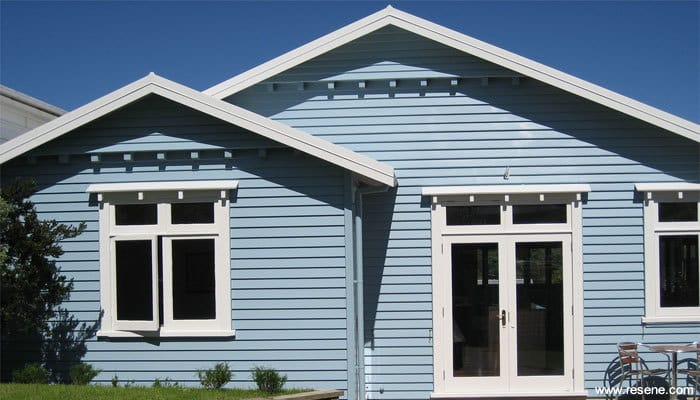
Weatherboard cladding is one of Australia’s most recognisable external finishes, seen across coastal cottages, suburban homes and custom builds alike. While the classic look is familiar to many, not everyone understands what weatherboard actually is, what it’s made from, and why choosing the right material matters for your property’s long-term performance.
This article explains weatherboard in practical terms, explores the materials commonly used, examines key factors in choosing the right product, and offers insight into why weatherboards remain a smart choice for Australian homes.
What Is Weatherboard?
At its core, weatherboard refers to the individual boards or panels fixed to the exterior walls of a house to form a protective outer cladding system. It is designed to shed water and resist weather exposure while contributing to thermal comfort, aesthetic appeal and structural durability.
The defining feature of weatherboard installation is horizontal overlapping: each board overlaps the next, forming a continuous shield against the elements. This overlapping profile allows water to run off the surface quickly and prevents direct penetration into the wall cavity.
Weatherboards are a type of cladding, a broader term for any material applied to a building’s exterior to protect it and enhance appearance. Cladding systems may include timber boards, fibre cement panels, metal sheets, and composite products, but timber weatherboards remain a popular and traditional choice in Australia.
Why Weatherboards Are Important
Weatherboards perform several functions that are critical to the long-term comfort and protection of a home:
Weather Protection
The primary role of weatherboard cladding is to form a weather-resistant barrier. Properly installed boards channel rainwater and moisture away from the structural wall, helping to reduce water ingress and potential damage.
Insulation and Energy Efficiency
Timber weatherboards provide natural insulation benefits. The air gap created by the overlapping boards, combined with the inherent properties of timber, offers a degree of thermal resistance that helps keep internal temperatures stable. While additional insulation is typically installed within the wall cavity, timber weatherboards contribute to a more comfortable home climate.
Aesthetic Appeal
Weatherboard homes are synonymous with classic Australian architecture. The linear profiles, shadow lines and timber textures offer a visual richness that enhances curb appeal. They suit both heritage restoration and contemporary designs, making them adaptable to many styles.
Durability and Longevity
With appropriate material selection and maintenance, weatherboards can last for decades. Timber species with natural resistance to decay, pests and moisture perform particularly well in varied Australian climates when properly finished and maintained.
Types of Weatherboard Materials
When discussing what weatherboard is made of, it is important to recognise that the term encompasses several material categories. The choice of material influences cost, performance, maintenance and overall aesthetic.
Timber Weatherboards
Timber is the traditional weatherboard material and remains popular for its natural look, workability, and performance when selected correctly.
Common timber species used for weatherboard cladding include hardwoods such as Blackbutt, Spotted Gum, Ironbark and Stringybark, all of which feature durability and attractive grain patterns. These timbers are often kiln-dried and machined to precise profiles suitable for external cladding.
Pros of timber weatherboards:
Natural warmth and texture.
Excellent acoustic and thermal properties.
Can be painted, stained or oiled to suit design preferences.
Strong and resilient with proper maintenance.
Considerations:
Requires regular surface maintenance to protect against UV, moisture and wear.
Timber is hygroscopic (absorbs and releases moisture with weather changes), so allowance for movement should be considered in design.
Fibre Cement Weatherboards
Fibre cement weatherboards combine cement with cellulose fibres to create a stable, durable cladding option. Products like James Hardie’s Linea™ range are designed to replicate the look of timber while offering reduced maintenance and enhanced resistance to shrinking, swelling and cracking.
Pros of fibre cement:
Low maintenance compared with timber.
Highly stable across temperature and moisture changes.
Holds paint well and resists surface cracks.
Considerations:
Heavier and may require mechanical fixings designed for fibre cement.
Lacks the warmth of natural timber grain.
Engineered and Composite Weatherboards
There are also engineered timber and composite boards that incorporate resins, binders or polymer elements to improve durability and reduce maintenance needs. These are often used where consistent profiles and low upkeep are desired.
Pros:
Enhanced moisture resistance.
Often pre-finished and easy to install.
Considerations:
Less traditional look compared with natural timber.
Varies widely between manufacturers in performance characteristics.
Other Materials
Other materials such as vinyl or metal also appear in the broader cladding market, but they differ significantly in character and performance from traditional weatherboard profiles and are generally categorised separately from classic timber and fibre cement options.
Factors to Consider When Choosing Weatherboard
Selecting the right weatherboard material and profile requires careful consideration of several factors:
Climate and Exposure
Australia has diverse climatic zones. Coastal homes exposed to salt spray and high humidity benefit from timber species with strong natural decay resistance or from low-maintenance alternatives like fibre cement. Homes in high UV environments need materials that withstand prolonged sun exposure.
Aesthetic Preference
The desired architectural style should guide the profile and finish of your weatherboards. Traditional horizontal boards suit classic designs, while flush or shadow-line boards can enhance contemporary aesthetics.
Durability and Maintenance Requirements
Think long-term when selecting weatherboards. Timber requires periodic finishing to protect against weathering, while engineered and fibre cement options may reduce maintenance intervals.
Installation and Fixing
Weatherboards perform best when installed by experienced tradespeople who understand correct overlaps, ventilation gaps and fixing methods appropriate to the material. Installation quality directly affects performance and warranty outcomes.
Budget and Lifecycle Cost
Initial material costs are one part of the equation. Consider expected maintenance and lifecycle cost over decades of service. Timber may require oiling and repainting, while some composites may cost more upfront but have lower ongoing costs.
Weatherboards are a quintessential element of Australian architecture, renowned for their classic aesthetic appeal and robust protection against the elements. If you’re considering a renovation or building a new home, understanding the benefits and possibilities of weatherboard can transform your vision into a stunning reality. This guide delves into everything you need to know about weatherboard, from its core definition to the nuances of renovating a weatherboard house, ensuring your home not only looks fantastic but also stands the test of time.
What is Weatherboard? Understanding This Iconic Cladding
At its heart, weatherboard refers to timber boards used as external cladding on buildings. These boards are typically installed horizontally, overlapping each other to create a protective, weather-resistant layer. The design allows water to run off, preventing it from penetrating the structure. While traditionally made from timber, modern weatherboards can also be crafted from other materials like fibre cement, each offering unique characteristics in terms of durability, maintenance, and appearance.
The enduring popularity of weatherboard stems from its versatility and timeless charm. It can evoke a sense of heritage and tradition, particularly with classic profiles, or lend a sleek, contemporary feel with more modern designs. Beyond aesthetics, weatherboard provides excellent insulation properties, contributing to a more energy-efficient and comfortable home. Its natural warmth and texture are also a significant draw, adding character that other cladding materials often struggle to replicate.
Renovating a Weatherboard House: A Journey of Transformation
Renovating a weatherboard house offers a unique opportunity to blend historical charm with modern functionality. Whether you’re refreshing a tired facade or undertaking a comprehensive overhaul, the process can breathe new life into your home, enhancing its curb appeal and value.
The first step in any weatherboard renovation project is a thorough assessment of the existing cladding. Look for signs of wear and tear such as rotting, splitting, or significant paint peeling. Addressing these issues early can prevent larger problems down the line. Depending on the condition, you might need to repair individual boards, replace sections, or even consider recladding the entire house. For homes with significant age, assessing the underlying wall structure and insulation can also lead to substantial improvements in energy efficiency and comfort.
Key Considerations for Weatherboard Home Renovations:
Material Choice: While traditional timber weatherboards offer an authentic look and feel, advancements in materials mean you can choose from various timber species (like durable Australian hardwoods such as Blackbuttor Spotted Gum) or consider low-maintenance fibre cement options. Each choice impacts the final look, longevity, and maintenance requirements.
Insulation: Older weatherboard homes might lack adequate insulation. Renovations provide an ideal opportunity to upgrade wall insulation, significantly improving thermal performance and reducing energy bills.
Painting and Finishing: The exterior weatherboards are your home’s public face. A fresh coat of paint in a carefully selected colour can dramatically alter its appearance. Australian conditions demand high-quality paints designed for exterior use, offering UV resistance and mould protection. Consider consulting with colour experts to choose a palette that complements your home’s architectural style and surroundings.
Repairs and Replacements: For minor damage, individual board repairs might suffice. For more extensive deterioration, replacing sections or even the entire cladding might be necessary. Ensure any replacement timber matches the existing profile and is treated appropriately for exterior use.
Sustainable Practices: When renovating, consider sourcing sustainably harvested timber or recycled weatherboards. This not only supports environmental responsibility but can also add unique character to your home.
Exterior Weatherboards: Beyond the Surface
The quality of your exterior weatherboards goes far beyond their visual appeal. They act as your home’s primary defence against rain, wind, and sun. Choosing the right timber species is crucial for longevity and performance, especially in Australia’s diverse climate.
Australian hardwoods are particularly well-suited for exterior weatherboards due to their natural density and durability. Species like Blackbutt, Spotted Gum, and Ironbark offer excellent resistance to rot, termites, and bushfire, making them a wise long-term investment. These timbers not only perform exceptionally but also boast beautiful natural colours and grain patterns that can be enhanced with stains or clear finishes. For those seeking a classic painted finish, stable softwoods or fibre cement options provide a smooth canvas.
Proper installation is paramount to the performance of exterior weatherboards. Ensuring correct overlap, adequate ventilation behind the cladding, and appropriate fastenings will prevent moisture penetration and promote airflow, extending the lifespan of the material. It’s always advisable to engage experienced builders who understand the nuances of weatherboard installation to guarantee a professional and durable finish.
Weatherboard Renovation: Maximising Your Home’s Potential
A thoughtful weatherboard renovation can significantly enhance your home’s energy efficiency, comfort, and market value. It’s an investment that pays dividends, both in the enjoyment of your living space and in its future appeal to potential buyers.
Consider integrating modern design elements while respecting the home’s original character. For instance, incorporating larger windows or glass doors can flood interiors with natural light and create a seamless connection with outdoor spaces. Adding new eaves or pergolas can provide additional shade and protection, enhancing both aesthetics and functionality. For period homes, meticulous restoration of original weatherboard profiles and heritage colours can restore their former glory.
Moreover, think about the long-term maintenance. While timber weatherboards require periodic painting or oiling, their natural beauty and repairability are significant advantages. Fibre cement options offer lower maintenance, often only needing cleaning. Weighing these factors against your lifestyle and budget will help you make the best choice for your weatherboard renovation.
What is Weatherboard? More Than Just Timber
While traditionally timber, the concept of weatherboard has evolved. Fundamentally, it describes a method of cladding where boards overlap to shed water. This design principle remains key, whether the material is natural timber, engineered wood products, or fibre cement.
Modern weatherboard systems offer enhanced durability, ease of installation, and a broader range of finishes. For example, some systems incorporate pre-primed boards, ready for painting, or even pre-finished options that mimic the look of timber without the same maintenance. The choice between traditional timber and contemporary alternatives often comes down to budget, desired aesthetic, and long-term maintenance preferences. Regardless of the material, the classic, overlapping profile of weat
When it comes to home renovation, choosing the right materials can make all the difference in transforming your space into a stylish and functional haven. In this guide, we’ll explore three essential elements for renovating your home: timber cladding, treated pine restoration, and weatherboard upgrades.
Timber Cladding: Enhancing Your Home’s Exterior
Timber cladding is a timeless choice for enhancing the exterior of your home. Not only does it add natural warmth and beauty, but it also provides excellent insulation and durability. Whether you’re renovating an old farmhouse or modernising a suburban dwelling, timber cladding can instantly elevate the aesthetic appeal of your property.
One of the key advantages of timber cladding is its versatility. With a wide range of timber species available, you can achieve various looks, from rustic charm to contemporary elegance. Popular choices include cedar, pine, and spruce, each offering unique grains and colours to suit your design preferences.
Treated Pine Restoration: Reviving Your Outdoor Spaces
Over time, outdoor structures made from treated pine can suffer from wear and tear due to exposure to the elements. However, with proper restoration techniques, you can breathe new life into your treated pine features and prolong their lifespan.
Start by inspecting your treated pine decks, fences, and pergolas for signs of damage such as rot, cracks, or discoloration. Depending on the extent of the damage, you may need to replace individual boards or undertake more extensive repairs.
Once any necessary repairs are complete, consider applying a fresh coat of sealant or stain to protect the wood from moisture, UV rays, and insects. Not only will this enhance the appearance of your treated pine structures, but it will also ensure they remain sturdy and weather-resistant for years to come.
Weatherboard Upgrades: Adding Charm and Character
Weatherboard siding is a classic choice for adding charm and character to your home’s exterior. Whether you prefer the traditional look of horizontal boards or the versatility of vertical panels, weatherboard upgrades can instantly refresh the appearance of your property.
When selecting weatherboard materials, opt for high-quality options that are durable and low-maintenance. Hardwood species such as cedar and redwood are excellent choices for weatherboard siding, offering natural resistance to decay and insects.
In addition to enhancing your home’s curb appeal, weatherboard upgrades can also improve insulation and energy efficiency. By sealing gaps and cracks and adding insulation behind the siding, you can create a more comfortable and energy-efficient living environment.
In conclusion, timber cladding, treated pine restoration, and weatherboard upgrades are essential elements of any home renovation project. By incorporating these materials into your design plans, you can enhance the beauty, durability, and functionality of your home for years to come.