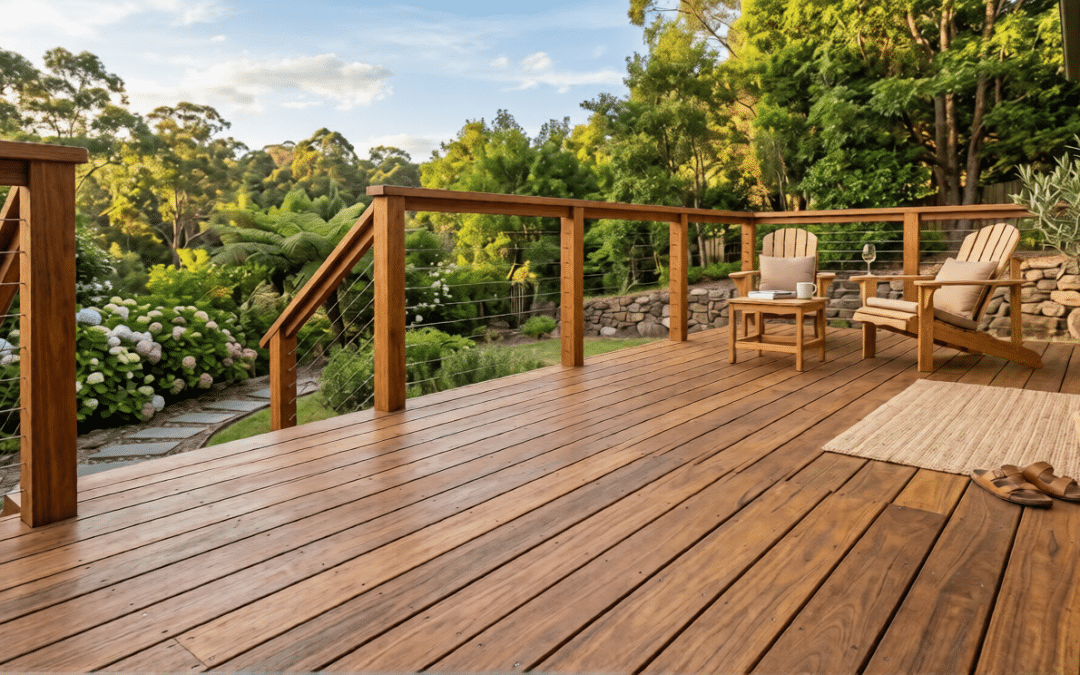
Getting the right materials on site shouldn’t be a gamble. You need absolute certainty when specifying hardwoods for high-traffic commercial decks. Too often, architects face unexpected supply chain hiccups or materials that simply fail to meet local compliance codes. A specified material might look great on paper but fail miserably under real-world commercial loads. At AusTimber, we know this reality firsthand. Austimber Specialising In All Local & Imported Hardwood Timbers. Buy Direct & Save. 50 Years Specialising In Supply Of Timber Stairs, Treads & Handrails. This deep industry grounding means we understand exactly why blackbutt stands out as a prime choice for heavy structural applications. It bridges the gap between raw aesthetic appeal and uncompromising structural necessity.
Navigating Commercial Compliance and Durability Standards
Commercial builds demand materials that withstand punishing conditions. You cannot compromise on safety. Longevity is paramount. Architects consistently lean on blackbutt timber because it actively solves these regulatory headaches. This wood naturally achieves a Durability Class 1 rating for above-ground applications. That translates to decades of reliable performance. Rain, hail, or blistering Australian sun. The timber handles it all. Its density and natural fire-resisting qualities also make it a popular choice for bushfire-prone regions. Fire compliance remains non-negotiable for many regional and urban projects across the country. This specific hardwood species delivers genuine peace of mind, backed by our team’s expertise. Speak with our team to confirm the right specification for your project’s bushfire attack level (BAL) and local council requirements.
Structural Grading and Load-Bearing Logistics
Load-bearing capacity dictates your material choices on every single commercial site. Public boardwalks, hospitality alfresco areas, and high-traffic pedestrian bridges require serious structural integrity. Known scientifically as Eucalyptus pilularis, this native tree yields wood renowned for its high density. AusTimber stocks blackbutt in F17 and F27 structural stress grades, making it a dependable choice for wide-spanning joists and heavy-duty bearers. Less bounce. Minimal deflection under load. Just a solid, quiet framework that supports constant foot traffic day in and day out. If you want to understand the underlying strength, style, and sustainability of this Australian hardwood, the technical specifications speak volumes. The mechanical properties make life easier for structural engineers.
Addressing Material Supply and On-Site Efficiency
Project timelines live or die by material availability. Specifying a rare or heavily imported species often invites disastrous logistical delays. Sourcing local blackbutt decking timber directly mitigates these expensive risks. The species grows abundantly across the coastal regions of New South Wales and southern Queensland. That geographical advantage means shorter supply chains. Predictable lead times keep your build on schedule. You get materials on-site exactly when the carpenters need them. No idle trades waiting around. No blown budgets due to shipping container delays. Just smooth, predictable project delivery. There are several practical reasons to choose this species for your next project, but reliable domestic availability sits right at the top for busy project managers.
Visual Consistency in High-Traffic Designs
Aesthetics matter just as much as engineering data. Clients expect visually striking outcomes that weather gracefully. This specific timber delivers a beautiful, consistent pale brown to blonde colour profile. The grain is typically straight, providing a clean, modern texture suitable for upscale commercial environments. It accepts stains, oils, and protective coatings beautifully. Minimal tannin bleed reduces the risk of staining surrounding concrete or masonry during the initial weathering period. Whether you are drafting plans for a boutique hotel terrace or a sprawling public walkway, reviewing our dedicated range of timber products will show you how easily the wood integrates into varied architectural visions. The finish is always sharp.
Secure Premium Blackbutt For Your Next Commercial Build
Your next commercial project needs materials you can trust absolutely. Don’t risk your firm’s reputation on inferior products. Get the right structural grade the first time around. Reliable sourcing prevents headaches. We carry out thorough quality checks on every piece to meet our stringent internal standards. Our experienced team is ready to discuss your specific load requirements, fire ratings, and volume needs. Give us a call or contact our team directly to streamline your supply chain today. When you specify premium materials, we ensure you get the absolute best cuts available.
The harsh climate ruins subpar materials fast. Sourcing reliable exterior hardwood is a constant, frustrating battle for architects and commercial builders. You need absolute certainty. Budgets blow out rapidly when materials warp, twist, or fail mandatory compliance checks. That is exactly where local manufacturing knowledge matters most. At AusTimber, we understand these intense site pressures completely. Austimber Specialising In All Local & Imported Hardwood Timbers. Buy Direct & Save. 50 Years Specialising In Supply Of Timber Stairs, Treads & Handrails. When you specify premium decking timber for your next major commercial project, those structural risks vanish. Your construction schedule stays intact. You deliver excellence.
Navigating Durability Classes and Climate Challenges
Site delays cost serious money. Specifiers face enormous pressure balancing aesthetic appeal against strict compliance standards. High-traffic commercial areas demand materials with top-tier durability classes. They must withstand intense UV exposure, driving coastal rain, and heavy daily use. Native australian timbers naturally resist these extreme weather conditions. Think Spotted Gum. Think Ironbark. They perform exceptionally well year after year. However, locating consistent, commercial-scale volumes of these specific hardwood species often causes massive logistical headaches for procurement teams. Unpredictable port hold-ups. Mixed-grade batches arriving onsite. These procurement issues derail project timelines instantly. For a deeper breakdown of site preparation, spacing requirements, and material behaviour, review the crucial things you need to know before selecting exterior boards.
Structural Grading Requirements for Commercial Applications
Safety is strictly non-negotiable. Every single board must meet rigid structural grading criteria before it ever reaches your site. Public and commercial spaces require absolute load-bearing confidence. Inferior, poorly milled products shrink rapidly. They cup. They split under constant pressure. Relying on inconsistent timber supplies guarantees costly callbacks and damaged reputations down the line. We process and mill our hardwood to exact tolerances. This ensures every length performs flawlessly under heavy foot traffic. The dimensional stability remains unmatched, giving architects total peace of mind. View our complete range of architectural profiles and compliance details in our exterior screens and boards collection.
Assessing Hardwood Species for High-Traffic Zones
Clients always ask tough questions about longevity and maintenance. The right answer depends heavily on local bushfire attack level (BAL) ratings and specific site exposure factors. You need high density. You require Class 1 above-ground durability for exposed decks. Ironbark provides incredible natural fire resistance and physical hardness. Blackbutt offers a highly sought-after lighter colour palette while maintaining exceptional structural integrity. Deciding what is the best decking timber to use ultimately comes down to matching the precise hardwood species to the exact local environment. It takes careful, deliberate planning. Read more about matching native species to specific environmental demands in our definitive material selection guide.
Streamlining Material Logistics and Quality Control
Sourcing directly from the mill changes everything for your bottom line. It completely removes the middlemen. Quality control stays incredibly tight across every single batch. Moisture content remains strictly regulated through careful, precise kiln-drying processes. This critical step stops onsite dimensional movement before it even starts. Finding reliable decking timber at scale means partnering with a facility that actually understands commercial construction deadlines. We cut everything to your exact architectural specifications. No compromises on grading. No guesswork onsite. Just premium, high-grade materials delivered ready for immediate, hassle-free installation.
Secure The Best Decking Timber For Your Next Build
Do not let unpredictable supply chain bottlenecks slow your build schedule down. Working directly with an established local mill ensures you receive materials graded strictly to Australian Standards (AS 2082). You get consistent, reliable quality every single time. You completely avoid the stress of mixed batches and inferior boards ruining your finish. Stop gambling with your commercial deadlines and client expectations.
The right materials make all the difference. Are you ready to detail your next architectural schedule? Contact the team at AusTimber today to discuss custom milling specs, commercial project pricing, and reliable site delivery times.
The Australian climate is unforgiving. Sun, salt, and intense rain dictate exactly how we must build. For architects and commercial specifiers, choosing the right material isn’t just about aesthetics. It is about mitigating risk. Material failure in public or high-traffic spaces ruins budgets. It ruins reputations. You need materials that perform under pressure. Specifying high-grade decking timber requires a thorough understanding of structural grading and regional demands. Selecting the correct hardwood is the only way to ensure commercial longevity.
Mitigating Commercial Challenges with Proven Durability Classes
Commercial fit-outs face immense foot traffic day in and day out. This constant, heavy wear demands the specification of dense hardwood species like Class 1 Ironbark, Tallowwood, or high-density spotted gum. These specific species resist rot. They resist termites. Selecting the right durability class upfront prevents early degradation and slashes maintenance budgets.
When evaluating perimeter security, visual partitions, or shading solutions, integrating highly durable timber screens adds massive architectural value. The key is maintaining that essential structural integrity. The screening must withstand the same wind loads and harsh UV exposure as the ground-level boards.
Navigating Compliance and Structural Load Standards
Public spaces demand absolute compliance. There is no room for error. Fire ratings, specifically Bushfire Attack Level (BAL) compliance, and strict load-bearing capacities are non-negotiable. You cannot cut corners here. Every single board must meet strict Australian building codes for commercial safety.
Reviewing vital material considerations before procurement ensures your project clears local council certification without costly delays. Your specified decking timber must bridge the gap between rigid regulatory requirements and the desired visual appeal of the architect’s plans.
Assessing Site Readiness for Heavy Material Logistics
Logistics make or break commercial timelines. It really is that simple. Getting materials milled accurately is only half the battle. Delivering them safely is the other. We heavily prioritise site readiness. In a commercial context, this refers strictly to the physical compatibility of your business premises or construction zone to handle heavy equipment.
Trucks need wide turning circles. Forklifts need stable, compacted ground for the safe unloading of massive structural loads and large job lots. If the site isn’t physically prepared for heavy transport, schedules blow out rapidly. Avoid these costly delays by relying on an established mill. Austimber Specialising In All Local & Imported Hardwood Timbers. Buy Direct & Save. 50 Years Specialising In Supply Of Timber Stairs, Treads & Handrails. Partnering with a fully equipped yard streamlines this entire heavy-haul process from the mill direct to your site.
Adapting to Harsh Environments with Pre-Weathered Options
Sometimes projects require a distinct, aged aesthetic from day one. Coastal developments and heritage restorations often specify materials that blend immediately into the surrounding environment. Incorporating grey decking timber provides that instant, weathered look without compromising the dense internal strength of the wood.
This approach provides commercial builders with a highly resilient, low-maintenance solution that thrives in fully exposed Australian conditions. It removes the wait time usually required for natural silvering.
Finalising Procurement for Your Decking Timber Specifications
Sourcing the right product requires precision and reliable data. High-traffic commercial zones need robust, uncompromising materials. By focusing heavily on correct F-grading and durability classes, you ensure lasting performance.
Contact the AusTimber team today to verify structural grading options and secure direct supply for your upcoming commercial build.
Frequently Asked Questions
1. What are durability classes in Australian hardwoods?
Durability classes rate a timber’s natural resistance to decay and termites. Class 1 timbers offer the highest natural resistance. They are highly recommended for exposed outdoor commercial applications.
2. How does site readiness impact structural timber deliveries?
Site readiness specifically concerns the physical layout of the construction zone. Your site must safely accommodate heavy rigid vehicles, provide adequate turning circles, and ensure stable ground for forklifts to unload heavy structural packs.
3. Do hardwood timber screens require different maintenance than decking?
While both use similar species, screens are vertically orientated and shed water faster. However, they face direct, harsh UV exposure. They require consistent UV-protective oiling to maintain their structural grade and prevent splitting over time.
Choosing the proper decking lumber is the most important decision you can make when building a deck. It will shape the outdoor lifestyle of your home. Because of Australia’s severe UV rays and changing humidity, choosing a material based only on pricing might cause it to bend, decay, and need expensive repairs in just a few years. If you like the rich, natural look of hardwood or the low-maintenance promise of modern options, it’s important to know how different species do in your area. We’ll go over all you need to know in this guide to make sure your pick lasts and adds value to your property.
The Type of Wood You Choose: Hardwood or Softwood
When it comes to decking, the most typical question homeowners have is whether to choose hardwood or a treated softwood like pine. Most of the time, this choice boils down to how long it lasts against how much it costs up front.
Hardwoods: Trees that grow slowly, such Spotted Gum, Merbau, and Ironbark, make these woods. They are thicker, hard to scratch, and can persist for 25 to 40 years or more.
Radiata Pine is a softwood that has been chemically treated to keep pests and rot at bay. It is the cheapest decking wood, but it is easy to damage and usually only lasts 10 to 15 years.
Hardwood decking lumber is usually always the best choice for long-term investments in family spaces with a lot of foot traffic.
Finding the Best Decking Timber: Top Species
You will probably find a few regular winners when you look for the best decking wood. People all around the world love merbau decking wood because it lasts a long time and has a beautiful reddish-brown colour. This wood is naturally resistant to decay, hence it is a Class 1 durability wood. But keep in mind that Merbau can “bleed” tannins when it first gets wet, which can leave stains on nearby pavers.
Spotted Gum is a high-quality decking wood that is popular for its bright grain and low shrinkage. If you want a local look, this is a great choice. It is also naturally fire-resistant, which is why it is so common in homes in areas prone to bushfires in Australia.
How long will your deck really last?
The “Durability Class” of the wood determines how long it will last.
Class 1 (Ironbark, Merbau): 40 years or more above ground.
Class 2 (Spotted Gum, Blackbutt): 15 to 40 years.
Class 4 (Treated Pine): 5 to 15 years.
Things like direct contact with the soil or bad ventilation can cut these estimates down by a lot. A deck that is cleaned and oiled every year will endure at least ten years longer than one that isn’t.
The Grey Look: Style vs. Care
Many modern building styles use grey decking wood because it seems like it’s been battered by the sea. There are two ways to do this. First, you can pick a high-quality decking wood and let it weather on its own for 6 to 12 months. The sun’s UV rays will fade the natural colours, creating a silver patina.
If you want the beauty without the structural deterioration of untreated wood, you can also use a specific tint. Using a good oil on grey decking wood keeps the wood flexible and free of cracks, and it keeps that ash-toned tint. Even the greatest decking wood will eventually ‘check’ (have cracks on the surface) if it doesn’t get oil.
The Big Debate: Timber vs. Composite
Is wood or composite better? Merbau decking wood is the most beautiful natural wood and stays cooler underfoot throughout a hot Australian summer. Composite, on the other hand, is almost “set and forget.” The feel of wood is the best for a weekend DIY project. Composite might be the way to go if you desire a life with no upkeep, even though it costs more up front.
Technical Setup to Keep Warping from Happening
The best way to keep your hardwood decking boards from warping or “cupping” is to give them plenty of air. There needs to be at least 300mm of space under the framework so the boards can breathe. Always leave a space of 4mm to 6mm between boards so they can expand. If the bottom of the board stays wet while the top dries in the sun, the board will bend.
Choosing the Final Budget
How much does it cost? In Australia, you should expect to pay:
Treated pine costs between $200 and $350 per square metre to install.
The cost of installing merbau decking wood is between $450 and $600 per square metre.
For premium decking wood like Spotted Gum or Ironbark, it costs $600 to $800 per square metre to install.
Keep in mind that the boards are only roughly 30% of the total cost of the project. Don’t cut corners on the sub-frame or the stainless steel fasteners. Choose a traditional merbau decking timber or a local hardwood decking timber, but make sure to pick one with a good durability rating so that your investment lasts.
FAQs
1. Do I need permission from the council to build a wooden deck?
You don’t require a permit for a “low-level” deck (usually less than 600mm high and less than 25$m^2$) in many parts of Australia as long as it doesn’t compromise drainage or the safety of the structure. But the restrictions are very different in different jurisdictions (like NSW and VIC) and even in different local councils. A building permit is nearly always required if your deck is high up, close to a property line or in an area that is prone to bushfires. Before you start building, always check with your local government or a professional certifier to avoid big fines or having to take down the building.
2. How can I pick the correct “Hazard Class” (H-Rating) for my deck?
When you buy the sub-frame (the structure underlying), you’ll notice ratings like H3 or H4. This shows how much chemical treatment the wood has had to keep it from rotting and getting termites:
H3: Made to be used “Above Ground.” This is great for the decking boards and the joists that aren’t touching the ground.
H4: Made for usage “in the ground.” You need to use H4 or higher for any posts that are buried in dirt or concrete.
If you use H3 wood that touches the ground, it will break down in just a few years.
3. Why are red stains “bleeding” on my tiles from my new deck?
This happens when tannins leach out of the wood, which is a natural process that happens when oils that dissolve in water wash out. Most of the time, it happens with Merbau and some Eucalypts. The red-brown run-off can create stains that are hard to get rid of if your deck is close to light-colored pavers or a pool. You can “bleed” the wood yourself by hosing it down and washing it with a deck cleanser many times before sealing it. Alternatively, you can buy “pre-leached” or “pre-sealed” boards from your provider.
4. Is it possible to install a wooden deck right on top of concrete?
Yes, but you can’t put the boards right on the concrete. To make an air gap, you need to put in a “sleeper” system or low-profile joists. The gap should be at least 50mm wide, but more is better. If there is no airflow, moisture will get stuck between the wood and the concrete, which will cause it to rot, mould, and warp quickly. Also, make sure the concrete has a modest slope so that water doesn’t collect under your joists.
5. How can you keep wood planks from breaking?
When the wood dries up and the fibres pull apart, it commonly splits or “furs.” Regular oiling is the greatest way to keep things from happening. A good decking oil gets into the fibres and keeps them flexible and moist. You will need to sand the surface back to smooth wood before putting on a new layer of oil if your deck is already splintering. If you want to avoid splinters in high-traffic places where people walk barefoot, like around a pool, choose a high-density hardwood like Spotted Gum instead of a softer wood like Pine.
The most important choice you will make for any furniture project is what kind of material to choose. The wood you choose doesn’t just affect how the finished piece looks; it also affects how strong it is, how well it can handle movement, and how hard (or fun) the build will be.
The word “timber” is extremely wide, but when it comes to good furniture, we are searching for very particular attributes. These are not the structural timber supplies that are used to make wall frames. We want a stable, well-grained material that can hold a joint and get a perfect finish. This book will help you find the right materials, answer the problems that manufacturers commonly have, and show you how to tell the difference between a sturdy board and one that may warp before the glue dries.
The 7 Most Important Questions for Every Furniture Maker
Most makers start with practical, tactical questions when they look for materials. Here are the short, clear answers to the most common questions about furniture-grade wood.
1. Where can I discover a store that sells hardwood near me?
You need to go beyond big-box hardware stores to find good materials.
Look for speciality wood suppliers and stores that only sell hardwood. These companies know what furniture makers require and have “dressed” boards and stable, kiln-dried stock on hand.
In Australia, look for stores that sell plants that are native to the area.
If you require a structural part for a rustic outdoor seat, they could even be able to point you to a place that sells hardwood sleepers.
But for more delicate indoor work, you need the solidity that an expert can give you. Getting to know a local merchant can frequently provide you with early access to the best stacks.
2. What kinds of wood are suitable for furniture that will be used inside and outside?
The species depends on how it will be used.
Furniture for the inside of a house puts looks and ease of use first. White Oak and American Black Walnut are two examples of high-quality hardwoods that might work well for these applications.
You need species that naturally resist rot, bugs, and UV rays for outdoor furniture.
Native hardwoods like Ironbark or Spotted Gum are typically used in Australia to set the norm for how long things last. These strong, long-lasting woods will always be better than generic outdoor materials and survive longer than softwoods.
3. What are the differences between “rough sawn” and “dressed” (DAR) wood?
Straight off the sawmill, rough-sawn wood is what you see. It features rough surfaces, saw marks, and sizes that aren’t always the same.
It costs less to buy, but you need special tools like a jointer and a thickness planer (thicknesser) to turn it into flat, square stock.
All four sides of dressed all round (DAR) wood have been planed smooth to exact measurements. DAR is “project-ready,” which means it’s perfect for those who don’t have industrial machines, but it costs more.
4. How do I know if wood has been appropriately seasoned or dried in a kiln?
Using damp, “green” wood to make furniture is a surefire way to ruin it. It’s important to have a reliable amount of moisture.
For furniture inside, try to get 8–12%. A calibrated moisture metre is the only test that is always right.
If you don’t have one, trust the reputation of the person who sells you wood. Ask directly, “Is this furniture-grade wood that has been kiln-dried or air-seasoned?”
Kiln-dried wood won’t have any checking (cracks) on the ends, and it will feel lighter than green stock. Properly seasoned wood doesn’t slide around as much and keeps joints stable.
5. Is it possible to employ construction-grade pine to make exquisite furniture?
Construction-grade pine is cheap, but it is not usually good for exquisite furniture.
This wood is treated quickly, has a lot of water in it, and typically has knots, pitch pockets, and chemical treatments (such as H3 for decking wood and structural framing).
After being put together, it is quite likely to warp and shrink.
“Clear pine,” which is a type of wood that is better for beginners learning joinery, is a better place to start, even though it costs more. Stick with well-known hardwoods for anything that will be fine furniture.
6. How can I figure out how many “board feet” or “super feet” I need for a wood order?
Timber, especially raw sawn timber, is sometimes sold by the cubic foot. In North America, the unit is the Board Foot (BF). People often call it Super Feet (SF) in Australia.
The conventional formula for volume is: $$\frac{\text{Thickness (inches)} \times \text{Width (inches)} \times \text{Length (feet)}}{12}$$
This is how much several high-end hardwoods, including White Oak, cost. You figure out cubic metres ($m^3$) in the metric system.
Always add 15–20% to your figures to account for waste. This allows for matching grains, getting rid of knots, and mistakes made during machining.
7. Where can I get slabs with “live edges” to make tables?
“Live edge” slabs keep the tree’s original bark line. You may frequently get these one-of-a-kind items from small sawmills, salvage timber supplies lots, or specialised online marketplaces.
These slabs often need to dry in the air for a long time (sometimes years) before they can be completed in a kiln. This is different from dimensional lumber.
When you look at a slab, make sure it is flat (not cupped) and enquire if it has been cleaned to get rid of borers. A solid live-edge slab makes a beautiful base for a river table or signature desk.
Deep Dive: How to Choose the Right Furniture Species
Knowing the differences between species, such as a regionally durable native and a classic imported hardwood like White Oak, will greatly influence the way your designs turn out.
Australian Natives: Strength and Personality
Blackbutt: A strong and flexible hardwood. Furniture makers that want a light to medium blonde colour love blackbutt. It is fairly sturdy and easy to machine because its grain is straight, but wild grain should be handled with care. Blackbutt is also a great choice for tough outdoor uses like flooring and decking timber that gets a lot of foot traffic because it is so dense.
Ironbark: One of the hardest and densest hardwoods in Australia. Ironbark is known for being hard to work with, but it lasts longer than anything else. Its strength makes it good for heavy-duty structural uses, and it can even be as strong as handrails or exposed beams. Ironbark is a great choice if you want to make strong, architectural furniture that will last for centuries.
Hardwood sleepers: Large-dimension hardwood sleepers are often thought of as landscape materials, but they are also a cheap method to get a lot of wood for rustic furniture. Be careful, though. These are often green or only partially seasoned, and they can move a lot. They work best for big leg portions in industrial-style designs, not for precise craftsmanship.
Classic Imports and Special Uses
White Oak: The best wood for making exquisite furniture, cabinets, and floors. People love White Oak because its grain is strong and straight and it doesn’t rot easily. It takes stains nicely and works well with traditional joinery. It does quite well in the timber supplies markets, and people typically choose it for everything from complicated chairs to structural cabinetry parts and even high-end handrails for homes.
Sourcing for a Specific Purpose
Decking Timber: This type of wood is chosen because it can withstand the weather and last a long time. This area is mostly made up of species like Jarrah, Spotted Gum, or high-quality treated Pine. When looking for decking timber, make sure it is stable and naturally resistant to decay so that it can stand up to the sun and rain in Australia.
Handrails: Need a type of wood that is smooth, very stable, and won’t splinter to make them safe and comfortable to touch. People enjoy hardwoods like White Oak, Tasmanian Oak, or strong indigenous. The wood must be able to take a good finish and stay straight even when people touch it a lot and their hands might get wet.
The quality of your wood is the most important thing, whether your next project is a simple blonde Blackbutt, a strong conventional White Oak, or a rustic piece of salvaged wood. When you look for wood to make great furniture, don’t just go to any old lumber store. Look for ones who specialise in hardwoods that are good for furniture.
Give the wood time to dry properly, learn about its specific properties (such how dense Ironbark is), and put in the effort to prepare it. The care you put into picking your wood will show in the finished product, which will be both attractive and strong.