by SEO SR | Oct 7, 2026 | News
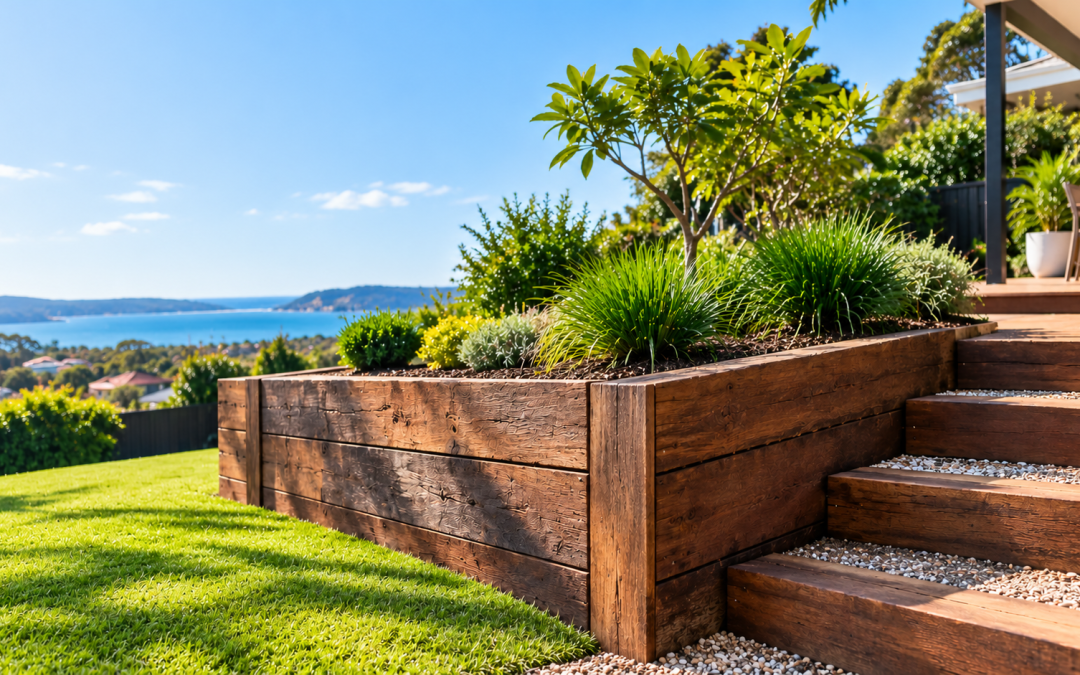
Choosing timber for an Australian project takes more than picking a species that looks good in a photo. Architects, builders, landscapers, designers and homeowners all need to weigh up the timber’s characteristics, its intended use, and what the project actually demands. When comparing hardwood sleepers, species like Blackbutt and Ironbark offer solid options worth a closer look at, while Tasmanian Oak brings a different set of characteristics and applications to the table.
At AusTimber, we supply Australian hardwood timbers for a wide range of projects, landscaping and outdoor features. Our range covers more than 20 species, giving project teams access to different timber options from a single supplier. We also specialise in all local and imported hardwood timber, and have spent 50 years supplying timber stairs, treads and handrails. Instead of procuring from multiple suppliers, buy direct and save.
Assessing Blackbutt for Timber Projects
Blackbutt is an Australian hardwood sourced from coastal areas stretching from southern NSW through to southern Queensland. We describe it as generally pale brown, sometimes with a slight pink tinge, giving it a lighter look than some other hardwoods in the market.
The numbers back up the appeal. Blackbutt carries a Janka hardness of 8.9, natural durability of Class #1 above ground, and a dry density of around 900 kg/m³. It’s also worth knowing Blackbutt shares similar durability, density and hardness with the commonly requested Spotted Gum.
Blackbutt has a wide range of uses like flooring, decking, furniture and cladding among many. Its strength, grain and colour variation make it a practical species worth considering, whatever your project requires. View AusTimber’s Blackbutt timber range for more information.
Comparing Grey and Red Ironbark
Ironbark brings another strong Australian hardwood option to the table, and we supply both Grey and Red Ironbark. They’re different species entirely, so it pays to consider their characteristics separately when specifying timber.
Grey Ironbark, or Eucalyptus paniculata, is common along the east coast of NSW and Queensland. It carries a Janka hardness of 14.0 to 16.3, natural durability of Class #1, and a dry density of approximately 1120 kg/m³. Its colour ranges from pale to dark chocolate brown, sometimes with dark red tones showing through.
Red Ironbark, or Eucalyptus sideroxylon, grows across northern Victoria and the inland slopes of NSW. Its heartwood runs deep red, sometimes with lighter streaks running through it. This species carries a Janka hardness of 11.9, natural durability of Class #1, and a dry density of approximately 1130 kg/m³.
Comparing Ironbark options for your project? You can view Grey Ironbark or see the Red Ironbark range and compare the characteristics of each species.
Understanding Where Tasmanian Oak Fits
Tasmanian Oak is another hardwood option we supply, and despite the name, it’s not an oak at all. It’s a trade name covering timber sourced from three Australian Eucalyptus species: Eucalyptus delegatensis, Eucalyptus obliqua, and Eucalyptus regnans.
Tasmanian Oak is a genuinely versatile timber. It’s used for flooring, furniture, joinery, panelling, veneer, boat building, musical instruments and woodturning. The timber generally ranges from pale cream to light brown, sometimes with a pinkish hue, and can feature straight, wavy or interlocked grain depending on the piece.
It can also be used outdoors when properly treated and maintained. That makes understanding the intended application important when comparing it against other hardwood options. Read AusTimber’s Tasmanian Oak guide for further information about the species.
Choosing Hardwood Sleepers for Your Project
There’s no need to pick a timber species on looks alone. Start with what the project actually requires, then compare the characteristics of what’s available.
For hardwood sleepers and other landscaping applications, consider:
- Species: Compare the characteristics of Blackbutt, Grey Ironbark and Red Ironbark before making a selection.
- Durability: Review the natural durability information provided for the species and consider the intended application.
- Hardness: Janka hardness provides useful information when comparing the listed species.
- Density: Dry density can help distinguish the physical characteristics of different timbers.
- Appearance: Colour and grain can be important where the timber remains visible.
- Application: Consider whether the timber is intended for landscaping, outdoor features, decking, cladding, flooring or another purpose listed for the species.
Our wider range includes Australian hardwoods, imported timbers and softwoods, recycled and reclaimed timbers, decking, cladding, flooring, stairs, handrails, heavy posts and beams, furniture timbers and more.
Hardwood Sleepers and Timber Supply From AusTimber
Choosing the right timber gets a lot easier when your supplier can give you clear information on different species and their uses. AusTimber supplies new, recycled and reclaimed Australian hardwood timbers. Our knowledge of timber species and manufacturing facilities means we can advise on and supply timber for projects of any scale.
For requirements that go beyond standard timber supply, AusTimber also acts as a single point of contact. We can source timber, supply the right quantities, machine to specifications and provide finish coating where required.
Comparing hardwood sleepers or other timber products for an upcoming project? Contact AusTimber’s team with your requirements. The team can discuss available timber species, quantities and project requirements with you.
FAQs About Hardwood Sleepers
Q1. Which hardwood species does AusTimber supply?
Our Australian hardwood range includes more than 20 species, including Blackbutt, Grey and Red Ironbark, Jarrah, Karri, Silvertop, Spotted Gum, Tallowwood and Victorian Ash.
Q2. What is the natural durability of Blackbutt?
We list Blackbutt at Class #1 natural durability above ground. It also carries a Janka hardness of 8.9 and dry density of approximately 900 kg/m³.
Q3. How hard is Grey Ironbark?
Grey Ironbark carries a Janka hardness of 14.0 to 16.3, natural durability of Class #1, and dry density of approximately 1120 kg/m³.
Q4. What is Tasmanian Oak used for?
Flooring, furniture, joinery, panelling, veneer, boat building, musical instruments and woodturning are all common applications.
Q5. Can AusTimber help with project-specific timber requirements?
Yes. We can source timber, supply the required quantity, machine timber to specifications, and provide finish coating where required.
by austadmin | Aug 19, 2026 | News
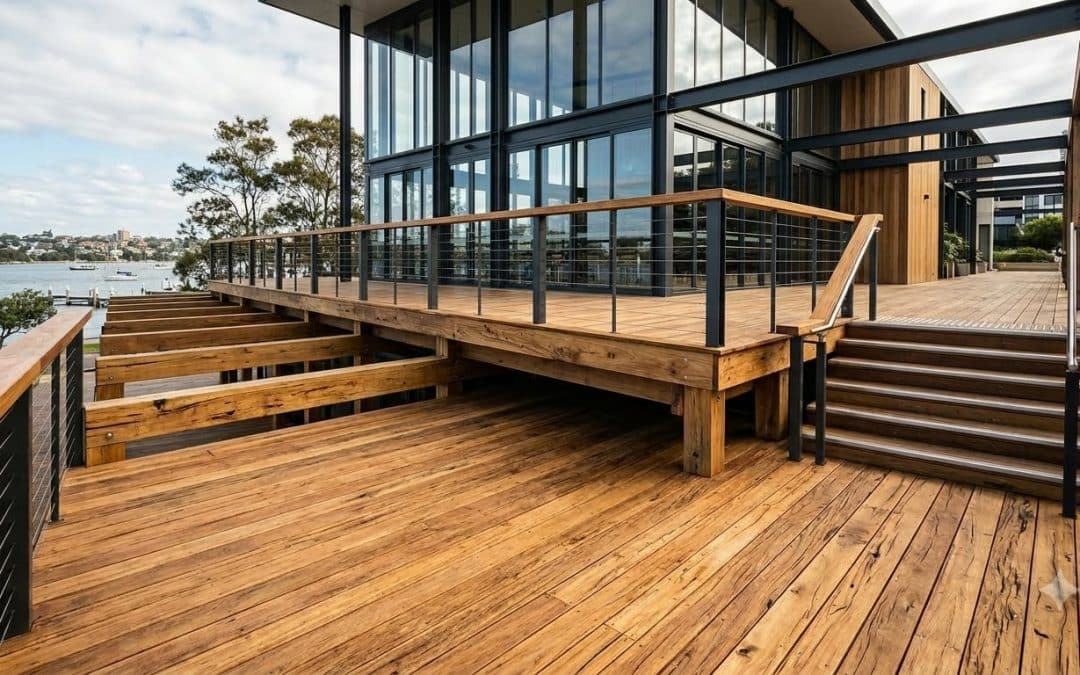
Getting the right materials on site shouldn’t be a gamble. You need absolute certainty when specifying hardwoods for high-traffic commercial decks. Too often, architects face unexpected supply chain hiccups or materials that simply fail to meet local compliance codes. A specified material might look great on paper but fail miserably under real-world commercial loads. At AusTimber, we know this reality firsthand. Austimber Specialising In All Local & Imported Hardwood Timbers. Buy Direct & Save. 50 Years Specialising In Supply Of Timber Stairs, Treads & Handrails. This deep industry grounding means we understand exactly why blackbutt stands out as a prime choice for heavy structural applications. It bridges the gap between raw aesthetic appeal and uncompromising structural necessity.
Navigating Commercial Compliance and Durability Standards
Commercial builds demand materials that withstand punishing conditions. You cannot compromise on safety. Longevity is paramount. Architects consistently lean on blackbutt timber because it actively solves these regulatory headaches. This wood naturally achieves a Durability Class 1 rating for above-ground applications. That translates to decades of reliable performance. Rain, hail, or blistering Australian sun. The timber handles it all. Its density and natural fire-resisting qualities also make it a popular choice for bushfire-prone regions. Fire compliance remains non-negotiable for many regional and urban projects across the country. This specific hardwood species delivers genuine peace of mind, backed by our team’s expertise. Speak with our team to confirm the right specification for your project’s bushfire attack level (BAL) and local council requirements.
Structural Grading and Load-Bearing Logistics
Load-bearing capacity dictates your material choices on every single commercial site. Public boardwalks, hospitality alfresco areas, and high-traffic pedestrian bridges require serious structural integrity. Known scientifically as Eucalyptus pilularis, this native tree yields wood renowned for its high density. AusTimber stocks blackbutt in F17 and F27 structural stress grades, making it a dependable choice for wide-spanning joists and heavy-duty bearers. Less bounce. Minimal deflection under load. Just a solid, quiet framework that supports constant foot traffic day in and day out. If you want to understand the underlying strength, style, and sustainability of this Australian hardwood, the technical specifications speak volumes. The mechanical properties make life easier for structural engineers.
Addressing Material Supply and On-Site Efficiency
Project timelines live or die by material availability. Specifying a rare or heavily imported species often invites disastrous logistical delays. Sourcing local blackbutt decking timber directly mitigates these expensive risks. The species grows abundantly across the coastal regions of New South Wales and southern Queensland. That geographical advantage means shorter supply chains. Predictable lead times keep your build on schedule. You get materials on-site exactly when the carpenters need them. No idle trades waiting around. No blown budgets due to shipping container delays. Just smooth, predictable project delivery. There are several practical reasons to choose this species for your next project, but reliable domestic availability sits right at the top for busy project managers.
Visual Consistency in High-Traffic Designs
Aesthetics matter just as much as engineering data. Clients expect visually striking outcomes that weather gracefully. This specific timber delivers a beautiful, consistent pale brown to blonde colour profile. The grain is typically straight, providing a clean, modern texture suitable for upscale commercial environments. It accepts stains, oils, and protective coatings beautifully. Minimal tannin bleed reduces the risk of staining surrounding concrete or masonry during the initial weathering period. Whether you are drafting plans for a boutique hotel terrace or a sprawling public walkway, reviewing our dedicated range of timber products will show you how easily the wood integrates into varied architectural visions. The finish is always sharp.
Secure Premium Blackbutt For Your Next Commercial Build
Your next commercial project needs materials you can trust absolutely. Don’t risk your firm’s reputation on inferior products. Get the right structural grade the first time around. Reliable sourcing prevents headaches. We carry out thorough quality checks on every piece to meet our stringent internal standards. Our experienced team is ready to discuss your specific load requirements, fire ratings, and volume needs. Give us a call or contact our team directly to streamline your supply chain today. When you specify premium materials, we ensure you get the absolute best cuts available.
by austadmin | Jun 29, 2026 | News
Specifying Blackbutt Timber for Reliable Commercial Construction Across Australia
Commercial construction leaves little room for material failure. Architects, builders, and project specifiers must balance compliance requirements, long-term performance, visual appeal, and project budgets. Selecting the right hardwood at the specification stage can influence a building’s lifespan for decades.
At AusTimber, we understand these demands because we work directly with commercial projects throughout Australia. Austimber Specialising In All Local & Imported Hardwood Timbers. Buy Direct & Save. 50 Years Specialising In Supply Of Timber Stairs, Treads & Handrails. This experience has made one thing clear – blackbutt timber continues to be one of the most dependable choices for commercial developments where durability and reliability matter.
Meeting Compliance Requirements in Bushfire-Prone Areas
Australia’s climate presents unique challenges. Bushfire risks remain a major consideration for commercial developments, particularly in regional and peri-urban locations.
One reason many specifiers choose blackbutt timber is its recognised performance in bushfire-prone environments. As one of Australia’s approved native hardwood species for certain bushfire construction applications, it assists builders in meeting Bushfire Attack Level (BAL) requirements while maintaining a natural timber finish.
Beyond fire performance, blackbutt offers impressive resistance to termites and decay. This reduces reliance on chemical treatments and helps create structures capable of handling Australia’s demanding conditions.
For projects requiring additional information about species characteristics and applications, our guide on Blackbutt Timber: Strength, Style and Sustainability in One Australian Hardwood provides valuable technical insights.
Assessing Structural Performance in High-Traffic Commercial Spaces
Commercial flooring and structural frameworks face constant pressure. Foot traffic. Cleaning equipment. Furniture movement. Daily wear.
That’s where structural grading becomes critical.
Many commercial applications specify F27-grade hardwood due to its superior load-bearing capacity. Properly graded blackbutt performs exceptionally well in demanding environments such as retail centres, educational facilities, hospitality venues, and public infrastructure projects.
Its dense grain structure contributes to long service life and reduced maintenance requirements. Over time, this can significantly lower lifecycle costs compared with less durable alternatives.
When project teams focus on whole-of-life value rather than upfront costs alone, blackbutt consistently remains a preferred option.
Improving Safety with Durable Timber Handrails and Stair Components
Safety compliance remains a priority across aged care facilities, healthcare buildings, schools, and public access structures.
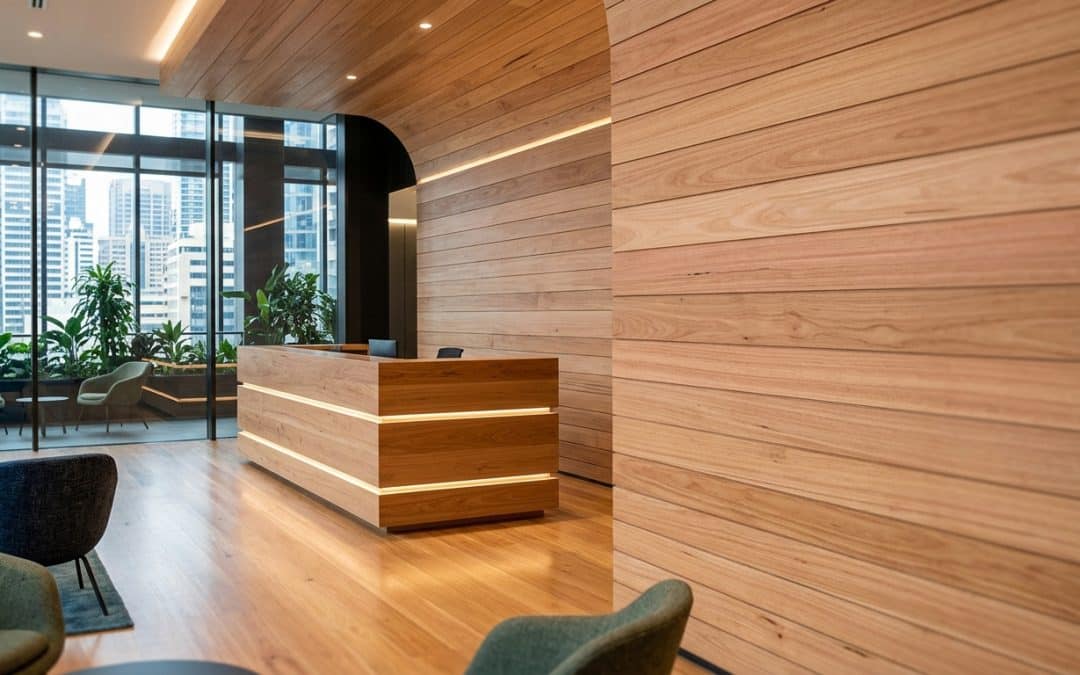
A well-designed blackbutt timber handrail provides more than visual appeal. It delivers a strong, stable support system capable of handling continuous daily use while maintaining a smooth finish over time.
The hardwood’s natural density reduces the likelihood of splintering and excessive wear. This makes it particularly suitable for commercial staircases, walkways, and accessibility-focused environments where reliability cannot be compromised.
AusTimber has supplied timber stairs, treads, and handrails for decades, helping commercial clients source products manufactured to precise project requirements while maintaining consistency across large-scale developments.
Managing Procurement, Logistics and Project Timelines
Material delays can quickly disrupt commercial construction schedules. Every day lost impacts labour costs, project milestones, and client expectations.
Reliable supply chains matter.
Working directly with a timber supplier that understands structural grading, machining specifications, and project logistics helps eliminate unnecessary complications. Accurate processing and dependable delivery schedules ensure materials arrive site-ready and aligned with project requirements.
For builders assessing options, our article on the Top 5 Reasons to Choose Blackbutt Timber for Your Next Project highlights key performance advantages that continue to drive demand across Australia.
Project teams seeking detailed product specifications can also review our dedicated Blackbutt Timber range to better understand available grades and applications.
Secure Long-Term Performance with Blackbutt Timber
When commercial projects demand strength, compliance, durability, and visual consistency, blackbutt timber continues to deliver measurable value. Its combination of structural reliability, bushfire performance, natural resilience, and long service life makes it a practical choice for architects, builders, and specifiers across Australia.
At AusTimber, we work closely with commercial clients to supply quality hardwood products backed by decades of industry experience. Whether you’re specifying flooring, stair components, cladding, or a custom handrail system, our team can help ensure the right materials are available when your project needs them.
Speak with the AusTimber team today to discuss your commercial timber requirements, confirm structural grading availability, and secure dependable supply for your next build.
Frequently Asked Questions
Q1. Why is blackbutt timber commonly used in commercial construction?
Blackbutt timber offers excellent durability, strong structural performance, natural termite resistance, and suitability for bushfire-prone environments, making it ideal for commercial applications.
Q2. Can Blackbutt be used for commercial staircases and handrails?
Yes. A blackbutt timber handrail provides strength, durability, and a smooth finish suitable for high-traffic commercial environments such as schools, hospitals, and public buildings.
Q3. What structural grades are available for blackbutt timber?
Blackbutt is available in various structural grades, including F27 grading for applications requiring high load-bearing capacity and long-term structural reliability.
Q4. Is Blackbutt suitable for external commercial applications?
Yes. Blackbutt performs well in external settings, including decking, cladding, screening, and public infrastructure projects when properly specified and maintained.
Q5. How does blackbutt compare with other Australian hardwoods?
Blackbutt is highly regarded for its balance of strength, durability, fire resistance, and versatility, making it one of the most frequently specified Australian hardwood species for commercial projects.
by austadmin | Nov 26, 2025 | Blackbutt Timber
Few timbers capture the true essence of Australian strength and style, like Blackbutt. This native hardwood is prized for its clean golden tone, impressive durability, and versatility across flooring, decking, and architectural projects. Whether you’re designing a coastal retreat or a modern family home, Blackbutt delivers the ideal mix of beauty and performance. In this guide, you’ll discover why builders, architects and homeowners across Australia continue to choose Blackbutt timber for projects that demand both resilience and timeless appeal.
What Makes Blackbutt Timber Good?
Blackbutt, scientifically known as Eucalyptus pilularis, is a native hardwood that grows along the coastal regions of New South Wales and southern Queensland. It’s recognised for its straight grain, uniform colour, and impressive strength. The name “Blackbutt” comes from the darkened bark found at the base of mature trees after bushfires, a natural part of its environment.
So, is Blackbutt a good timber? Absolutely. It’s highly regarded for its balance between strength and workability, making it suitable for a wide range of applications from structural framing to polished flooring. With a Janka hardness rating of around 9.1 kN, it resists wear and dents, while its natural look fits effortlessly in contemporary Australian design.
Advantages and Disadvantages of Blackbutt Timber
Like any material, Blackbutt timber has its pros and cons. On the positive side, it offers outstanding durability, a naturally fire-resistant quality, and an elegant aesthetic that enhances any space. It’s also sustainably grown and widely available across Australia.
The advantages are clear:
- Strong and long-lasting
- Suitable for bushfire-prone areas (BAL-29 compliant)
- Easy to machine, glue and finish
- Naturally beautiful grain and colour
However, there are some considerations to keep in mind. Blackbutt can be rich in tannins, which may cause staining on nearby masonry if not sealed correctly. It can also develop minor surface checks if exposed to harsh conditions without adequate sealing. With proper treatment and maintenance, these issues are easily managed, allowing the timber to perform beautifully for decades.
Durability and Structural Performance
Durability is one of the main reasons Blackbutt is so widely specified in residential and commercial construction. Classified as Class 1 aboveground and Class 2 inground, it has excellent resistance to decay and pests. Its hardness also makes it suitable for heavy-duty applications where strength and stability are critical.
In flooring, Blackbutt holds up well against everyday foot traffic while maintaining its elegant appearance. As decking, it resists the elements when properly finished with quality oils or sealers. Structurally, its high strength rating makes it a dependable choice for beams, joists and framing.
When maintained correctly, Blackbutt performs admirably in Australia’s varying climates. It resists termite attack, weathers predictably, and maintains its structural integrity for years, making it one of the most dependable hardwoods on the market.
Outdoor and Bushfire Suitability
One of Blackbutt’s standout qualities is its natural bushfire resistance. It’s one of the few Australian timbers that meet BAL-29 (Bushfire Attack Level) requirements without needing chemical treatment. This makes it particularly valuable for homeowners in fire-prone regions who want the look of real timber without compromising safety.
Outdoors, Blackbutt also performs exceptionally well when it’s sealed and maintained. Applying UV-resistant oils helps preserve its warm tones, while sealing end grains prevents moisture absorption and surface checking. Regular cleaning and resealing every 12 to 18 months will keep decking and exterior cladding looking fresh and performing at their best for decades.
Colour, Texture and Visual Appeal
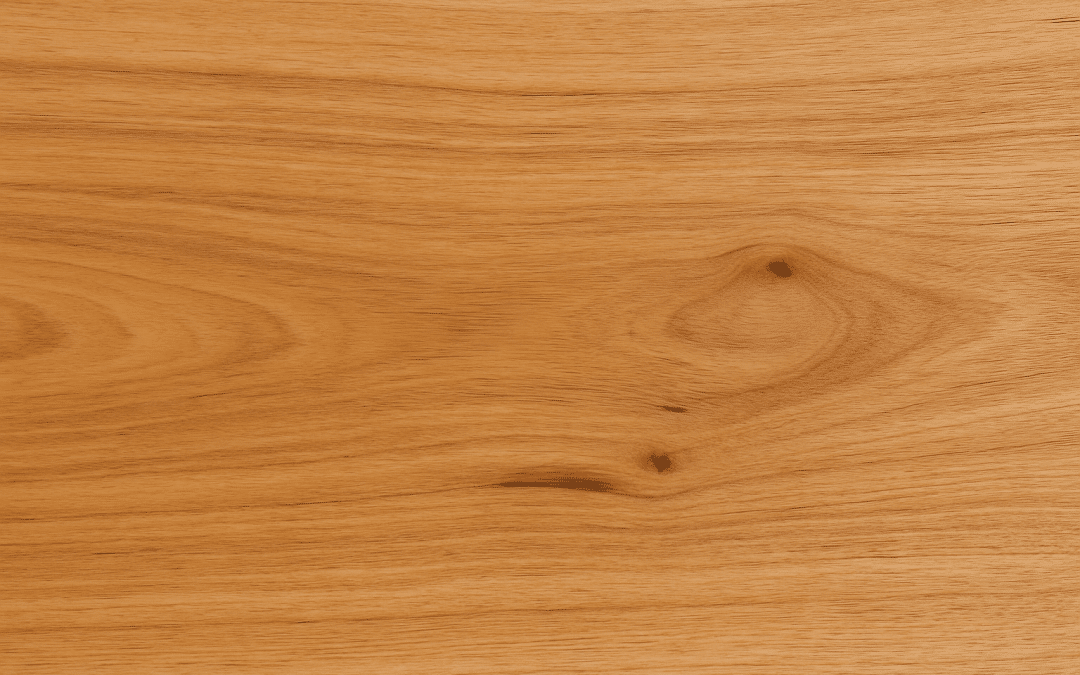
Visually, Blackbutt timber is admired for its versatility. It ranges in colour from pale cream to honey-brown, occasionally displaying soft pink undertones. Its grain is typically straight and even, producing a refined look that suits modern and minimalist interiors.
Because of its consistent grain pattern and uniform texture, designers often choose Blackbutt for large flooring expanses, cabinetry and feature walls. It takes stains, oils and polishes beautifully, allowing homeowners to tailor its appearance to complement both light and dark décor schemes. When exposed to sunlight, the timber gradually lightens, giving it a timeless and naturally weathered character that many find appealing.
Whether used indoors or outdoors, Blackbutt’s colour and texture make it a flexible, design-driven choice that adds warmth and sophistication to any setting.
Sustainability and Sourcing
Sustainability is a key consideration for builders and homeowners today, and Blackbutt delivers strongly in this area. It is grown and harvested under responsible forestry management in Australia, primarily across the coastal forests of New South Wales and Queensland.
Most suppliers, including Austimber, source Blackbutt from certified sustainable forests that meet FSC (Forest Stewardship Council) or PEFC (Programme for the Endorsement of Forest Certification) standards. This ensures that each piece of timber comes from renewable resources managed with respect for biodiversity and long-term environmental health.
Choosing sustainably sourced Blackbutt means supporting local forestry industries while reducing your environmental footprint. It’s an excellent example of how durable Australian hardwood can also be an environmentally responsible building choice.
Workability and Maintenance
Despite its hardness, Blackbutt timber is surprisingly easy to work with. It machines well, sands smoothly, and holds nails and screws firmly. Pre-drilling is recommended, especially near ends, to avoid splitting. Whether you’re building furniture, installing flooring, or crafting outdoor structures, Blackbutt provides a reliable, consistent result.
Finishing is straightforward; the timber readily accepts oils, stains, and clear coatings, enhancing its natural grain and colour. For outdoor installations, maintaining a regular oiling schedule helps prevent cracking and discolouration caused by sun and moisture. Indoor flooring requires only periodic cleaning and refinishing to retain its lustre.
By following simple care routines, you can ensure that your Blackbutt surfaces continue to perform and look stunning for many years. Its balance of strength and ease of handling makes it a favourite among professional builders and DIY enthusiasts alike.
Summary: Why Choose Blackbutt?
Few Australian timbers combine strength, appearance and sustainability as seamlessly as Blackbutt. Its durability, bushfire rating and timeless colour make it a dependable choice for a wide range of residential and commercial applications. It delivers performance without sacrificing style, and with responsible sourcing, it’s also an environmentally sound investment.
From solid flooring and outdoor decking to architectural joinery, Blackbutt timber continues to stand out as a material that embodies Australian quality and natural resilience.
Explore premium Blackbutt timber with Austimber, where quality hardwood meets craftsmanship and sustainability.
FAQs
- Is Blackbutt timber a good choice for flooring?
Yes. Blackbutt is one of Australia’s most durable native hardwoods and an excellent choice for flooring. Its high hardness rating makes it resistant to wear and dents, while its warm tones bring natural beauty to any space. It performs impressively in high-traffic areas and retains its polished look for years with proper care.
- Where is Blackbutt timber sourced from, and is it sustainable?
Blackbutt grows naturally along the coastal forests of New South Wales and southern Queensland. It’s often harvested under strict forest management standards and available through suppliers certified by FSC or PEFC. This ensures sustainable sourcing and supports environmentally responsible timber production within Australia.
- Can Blackbutt be used outdoors, and is it suitable in bushfire-prone zones?
Yes. Blackbutt is naturally durable and fire-resistant, making it ideal for outdoor use such as decking, cladding, and fencing. It meets BAL-29 bushfire attack level standards without chemical treatment, offering both safety and strength for properties located in bushfire-prone areas.
- What are the maintenance needs of Blackbutt timber once installed?
For indoor applications, Blackbutt flooring only needs regular sweeping and occasional refinishing to maintain its lustre. Outdoor installations benefit from periodic cleaning and oiling to protect against UV rays and moisture. With consistent care, a Blackbutt retains its strength and natural golden colour for decades.
- How does Blackbutt compare visually and in workability with other hardwoods?
Visually, Blackbutt features a clean, straight grain and light golden hues, making it one of the most elegant Australian hardwoods. It’s easy to machine, nail, and sand, although pre-drilling near the ends is recommended. Compared to other timbers, Blackbutt offers a balance of style, durability, and workability that suits both modern and traditional designs.
by austadmin | Aug 26, 2025 | Blackbutt Timber, News
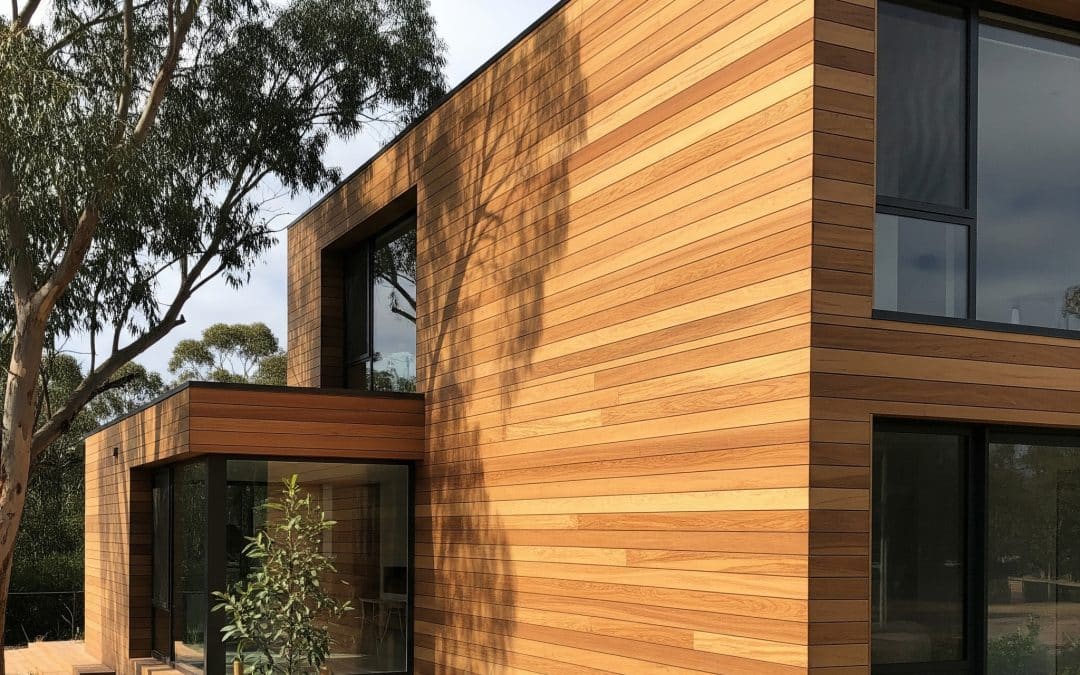
For homeowners, architects, and builders across Australia, choosing the right material for a project is a decision that balances both aesthetic vision and long-term durability. When it comes to external cladding, few materials offer the combination of natural beauty, strength, and resilience found in Australian Blackbutt timber. Beyond its striking pale golden hues and subtle grain, Blackbutt timber cladding is a high-performance solution designed to withstand to the unique demands of the Australian environment. This guide delves into what makes Blackbutt timber an exceptional choice, exploring its various profiles, the importance of correct fixing systems, and its superior weather performance.
What is Blackbutt Timber?
Blackbutt timber is a premium Australian hardwood, scientifically known as Eucalyptus pilularis. The name “Blackbutt” is a nod to the tree’s appearance after a bushfire, where the trunk’s base is blackened, contrasting with the pale, clean wood above. This natural resilience to fire is a key characteristic that translates into its use in construction, making it one of the few timbers approved for use in bushfire-prone areas up to BAL-29 (Bushfire Attack Level).
Sourced from the forests of New South Wales and southern Queensland, Blackbutt is renowned for its Class 1 above-ground durability rating. This classification signifies its natural resistance to decay and termites, making it an ideal material for outdoor applications like decking and cladding. Its straight grain and minimal gum veins give it a clean, modern look, while its pale straw and honey tones bring a warm, natural feel to any architectural design.
The Versatility of Blackbutt Timber Cladding Profiles
Choosing the right profile is a crucial step in achieving the desired architectural aesthetic and ensuring the cladding performs as intended. Blackbutt timber’s versatility means it is available in a variety of profiles, each offering a distinct look and functional benefit.
- Shiplap Profile: Shiplap is one of the most popular cladding profiles, known for its clean, linear appearance. Each board has a rebate on its edge, allowing the boards to overlap and create a tight, weather-resistant seal. This system is effective at shedding water and provides a sleek, modern finish. The subtle shadow line created by the overlap adds a layer of depth and visual interest to the façade.
- V-Joint (VJ) Profile: The V-Joint profile features a small ‘V’ shaped groove between each board, creating a neat, continuous line that works well in both contemporary and traditional designs. It provides a more defined join than shiplap, which can be used to great effect on feature walls or entire buildings. While often used for interior wall and ceiling linings, its use in external applications requires careful installation to maintain a consistent gap for ventilation and movement.
- Tongue and Groove (T&G): This classic system is valued for its interlocking boards, which provide a seamless, uniform surface. The boards are designed to fit together tightly, creating a robust shield against the elements. A key advantage of T&G is its ability to be fixed without visible fasteners, providing a smooth, flawless finish. It is often used where a more traditional or streamlined look is desired, and its tight fit makes it excellent for weather protection.
- Board and Batten: This profile is a more rustic or country-style option, perfect for creating a bold, textural statement. The system involves wide vertical boards (the boards) installed first, with a narrower strip of timber (the batten) then placed over the gaps. This creates a striking shadow line and a layered effect. For a contemporary twist, the boards and battens can be installed horizontally, offering a unique façade.
Correct Fixing Systems: The Key to Longevity
No matter the profile, the durability of Blackbutt timber cladding is directly tied to the quality of its installation and the fixing system used. Correct installation is crucial to allow for the timber’s natural movement and to ensure it remains securely in place for decades.
- Nails and Screws: For most cladding profiles, stainless steel or galvanised nails and screws are the go-to fasteners. These materials are chosen for their rust resistance, which is essential to prevent staining of the timber. Nails should be ring shanked for better grip, while screws offer a stronger hold and are often preferred for wider boards. It’s important to pre-drill pilot holes to prevent the timber from splitting, especially near the ends of boards. The heads of the fasteners should be left slightly proud for ease of maintenance, or can be punched and filled for a cleaner finish.
- Hidden Fixing Systems: For a clean, fastener-free look, concealed clips or a secret nail system can be used with tongue-and-groove or specific T&G profiles. These systems are designed to hold the boards securely to the battens or wall structure from the back or side, leaving the face of the timber pristine. While they can be more complex to install, they offer a superior aesthetic and are often used on high-end architectural projects.
- Battens and Vapour Barriers: The structural support for any cladding system is the batten framework. These timber or metal strips are fixed to the building’s frame to create a ventilated cavity behind the cladding. This is crucial for managing moisture and ensuring proper air circulation, preventing the timber from warping or rotting. A breathable vapour barrier or building wrap is typically installed behind the battens to protect the internal wall structure from moisture while allowing any trapped vapour to escape. This is a vital element for the overall health and performance of the cladding system.
Blackbutt Timber’s Exceptional Weather Performance
Blackbutt timber’s natural properties make it an outstanding choice for external cladding, particularly in Australia’s varied and often harsh climate.
- Durability and Hardness: Blackbutt is a hard-wearing timber with a Janka hardness rating of 9.0. This hardness makes it naturally resistant to impacts and surface damage, ensuring the cladding maintains its integrity and appearance over time. Its Class 1 above-ground durability rating means it can handle everything from scorching summer sun to coastal salt spray and heavy rainfall without succumbing to rot or decay.
- Fire Resistance: As mentioned, Blackbutt’s natural fire-retardant properties make it one of the few native timbers suitable for construction in designated bushfire-prone zones. This offers an additional layer of security and is a significant advantage for rural and semi-rural properties.
- Dimensional Stability: Blackbutt timber has a low shrinkage and swelling rate, meaning it is less prone to warping, cupping, or splitting compared to other timbers. This dimensional stability ensures that the cladding maintains its straight lines and tight joins, preserving the aesthetic of the building for years to come.
- Maintenance: While no timber is maintenance-free, Blackbutt timber cladding requires minimal upkeep. It can be left to silver naturally over time, or a quality timber oil or stain can be applied every 12-24 months to maintain its original warm tones and provide additional protection. This low-maintenance requirement makes it a practical choice for busy homeowners and commercial property managers.