
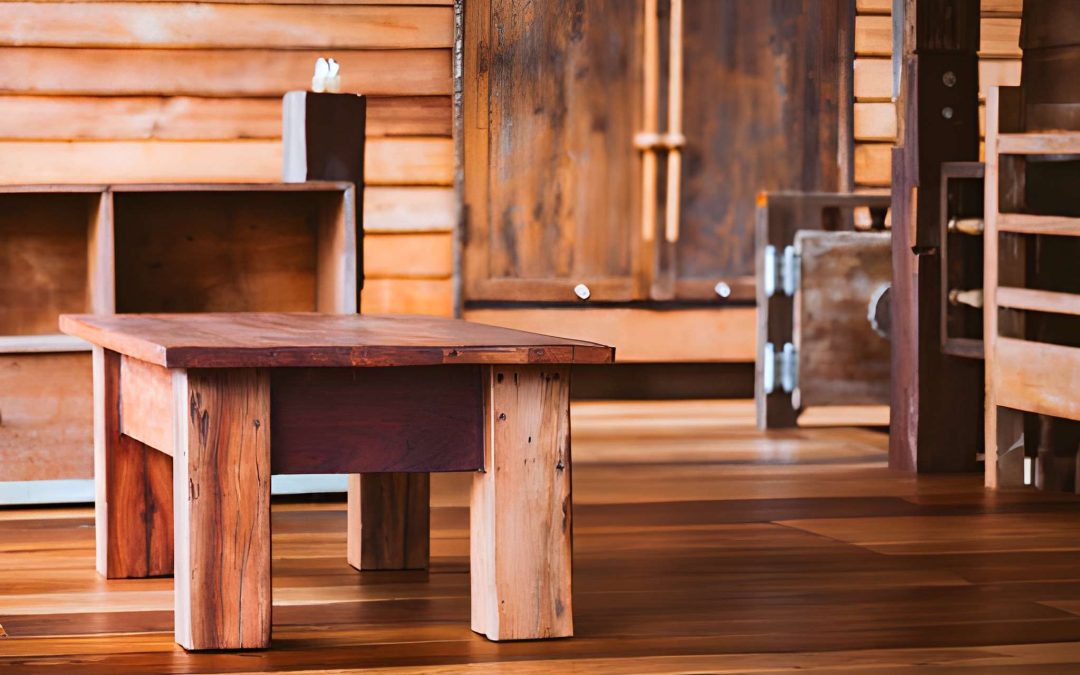
Tasmanian Oak is one of Australia’s most trusted and commonly used hardwoods, but it’s not popular by chance. Because it looks good, can be used in many ways, and always works well, it has become a popular choice for flooring, furniture, and interior joinery in both homes and businesses.
If you’re a builder, designer, or homeowner looking into different materials, knowing what makes Tasmanian Oak special will help you make better selections that will last longer. We explain what makes this Australian wood so versatile, where it works best, and why it is still chosen over many other options in this guide.
What is Tasmanian Oak?
What is Tasmanian Oak? Three closely related Australian hardwood species—Eucalyptus regnans, Eucalyptus delegatensis, and Eucalyptus obliqua—are all called Tasmanian Oak. Even though it has the term “oak,” it is not a real oak. It is a type of eucalyptus wood that comes mostly from Tasmania and parts of Victoria.
Timber Tasmanian Oak is recognised for its light, even tint, which might be pale straw, light pink, or light brown. The grain is usually straight and even, which gives it a clean, modern look. People want to know what Tasmanian Oak is since it can be polished, stained, or painted to fit practically any kind of home.
What do people use Tasmanian Oak wood for?
People often use Tasmanian Oak wood for:
- Furniture and Cabinets: High-quality tables, chairs, and shelving.
- Flooring: Durable and aesthetically pleasing planks.
- Staircases and Doors: Providing a consistent look across entryways.
- Wall Panels: Used for interior architectural features.
- Structural Framing: When given the right strength grade.
Tradespeople choose Tasmanian Oak for both big and small jobs because it is easy to work with and holds fixes well. It is quite popular in architectural interiors where uniformity is important because it accepts stains and clear finishes equally.
What makes Tasmanian Oak a useful type of wood?
Tasmanian Oak is thought to be versatile because it is strong, easy to work with, and doesn’t have a strong colour. The wood cuts, sands, and joins smoothly, so it may be used for many different things without needing particular care.
Timber Tasmanian Oak is also quite flexible because it comes in a wide range of grades, sizes, and profiles. It works well for both visible and hidden structural parts. Because of its light base colour, designers can also change the finishes without having to deal with severe natural colour changes.
Is Tasmanian Oak a Good Choice for Furniture and Floors?
People often ask is Tasmanian Oak good for furniture and floors. Yes, it is for indoor spaces.
- Flooring: It is hard enough for home flooring but has a smooth, polished appearance that feels good underfoot.
- Furniture: It is strong but not too heavy, making it a great choice for tables, shelves, and chairs.
When properly seasoned and installed, it stays stable in normal indoor humidity, which makes it a good choice for long-term use.
How does Tasmanian Oak stack up against other Australian hardwoods?
Tasmanian Oak is lighter, easier to work with, and less expensive than tougher woods like Spotted Gum or Blackbutt. While those woods are more naturally durable, they are also harder to manufacture and finish.
Timber Tasmanian Oak is great for indoor use when looks and versatility are more important than severe hardness. It has a constant grain and colour, which makes it better for big projects that need uniform finishes.
Does Tasmanian Oak last a long time?
How strong is Tasmanian Oak? It is strong and lasts a long time when utilised inside and kept dry. When finished correctly, it can handle the rigours of daily use.
Note: Tasmanian Oak doesn’t last long outside on its own. It should not be utilised outdoors unless it has been treated and protected.
Is Tasmanian Oak good for the environment and long-lasting?
Many people think that Tasmanian Oak is a good choice for sustainable Australian wood.
- Responsible Sourcing: It comes from managed forests and is often sold with FSC® or PEFC certification.
- Low Carbon Impact: It has a smaller carbon footprint than many imported materials since it is grown and processed locally.
- Local Support: Choosing it helps support sustainable forestry and local supply chains.
What are the pros and cons of Tasmanian Oak?
Pros:
- Works well in a lot of different interior settings.
- Looks good and stays the same (consistent grain).
- Simple to cut, join, and finish.
- Available in many places and made from sustainable materials.
- Not as expensive as many other hardwoods.
Cons:
- Not naturally strong enough to last outside.
- Not as hard as other high-end Australian hardwoods (like Ironbark).
- Needs to be finished correctly to work well for a long time.
When Should You Pick Tasmanian Oak?
If you need a strong, flexible wood for use inside, Tasmanian Oak is a great alternative. If you’re wondering is Tasmanian Oak good for your specific project, think about the environment. It is perfect for flooring, furniture, joinery, and framing inside, but alternative hardwoods might be better for high-exposure outdoor uses
FAQs
What are the best uses for Tasmanian Oak?
Flooring, furniture, joinery, and framing for the inside of buildings.
Is Tasmanian Oak good for long-term use?
Yes, as long as it is utilised correctly and kept up.
Is Tasmanian Oak a long-lasting wood?
Yes, it comes from managed Australian forests and is often certified.
Is Tasmanian Oak the same as Ash from Victoria?
They are very similar (often the same species) and are commonly utilised in the same way in the market.