
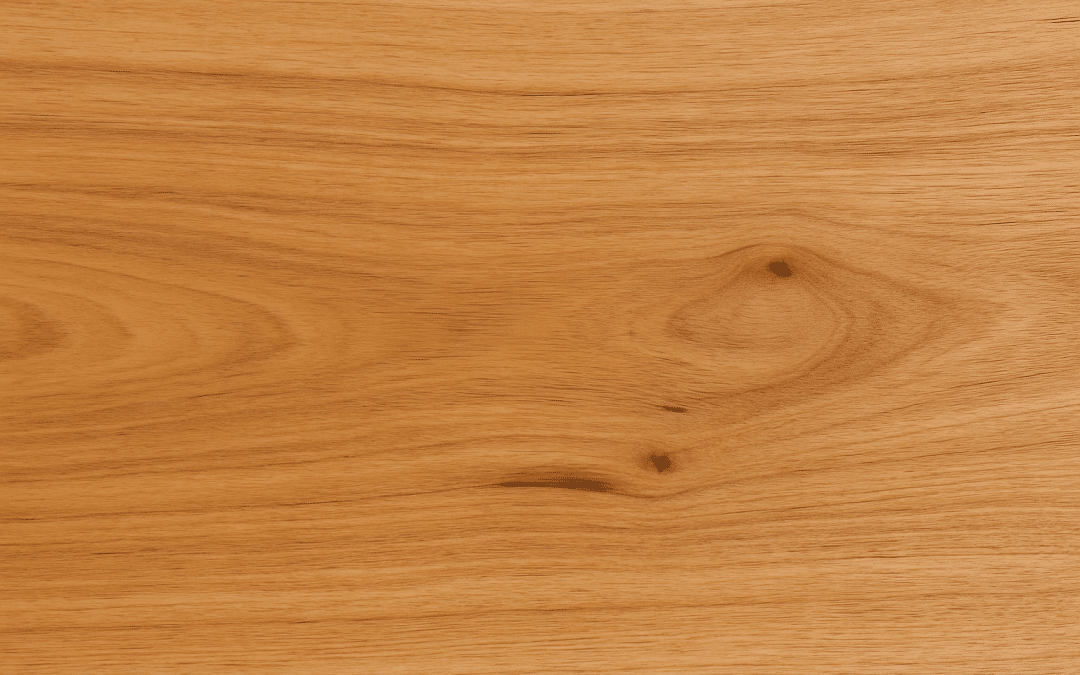
Few timbers capture the true essence of Australian strength and style, like Blackbutt. This native hardwood is prized for its clean golden tone, impressive durability, and versatility across flooring, decking, and architectural projects. Whether you’re designing a coastal retreat or a modern family home, Blackbutt delivers the ideal mix of beauty and performance. In this guide, you’ll discover why builders, architects and homeowners across Australia continue to choose Blackbutt timber for projects that demand both resilience and timeless appeal.
What Makes Blackbutt Timber Good?
Blackbutt, scientifically known as Eucalyptus pilularis, is a native hardwood that grows along the coastal regions of New South Wales and southern Queensland. It’s recognised for its straight grain, uniform colour, and impressive strength. The name “Blackbutt” comes from the darkened bark found at the base of mature trees after bushfires, a natural part of its environment.
So, is Blackbutt a good timber? Absolutely. It’s highly regarded for its balance between strength and workability, making it suitable for a wide range of applications from structural framing to polished flooring. With a Janka hardness rating of around 9.1 kN, it resists wear and dents, while its natural look fits effortlessly in contemporary Australian design.
Advantages and Disadvantages of Blackbutt Timber
Like any material, Blackbutt timber has its pros and cons. On the positive side, it offers outstanding durability, a naturally fire-resistant quality, and an elegant aesthetic that enhances any space. It’s also sustainably grown and widely available across Australia.
The advantages are clear:
- Strong and long-lasting
- Suitable for bushfire-prone areas (BAL-29 compliant)
- Easy to machine, glue and finish
- Naturally beautiful grain and colour
However, there are some considerations to keep in mind. Blackbutt can be rich in tannins, which may cause staining on nearby masonry if not sealed correctly. It can also develop minor surface checks if exposed to harsh conditions without adequate sealing. With proper treatment and maintenance, these issues are easily managed, allowing the timber to perform beautifully for decades.
Durability and Structural Performance
Durability is one of the main reasons Blackbutt is so widely specified in residential and commercial construction. Classified as Class 1 aboveground and Class 2 inground, it has excellent resistance to decay and pests. Its hardness also makes it suitable for heavy-duty applications where strength and stability are critical.
In flooring, Blackbutt holds up well against everyday foot traffic while maintaining its elegant appearance. As decking, it resists the elements when properly finished with quality oils or sealers. Structurally, its high strength rating makes it a dependable choice for beams, joists and framing.
When maintained correctly, Blackbutt performs admirably in Australia’s varying climates. It resists termite attack, weathers predictably, and maintains its structural integrity for years, making it one of the most dependable hardwoods on the market.
Outdoor and Bushfire Suitability
One of Blackbutt’s standout qualities is its natural bushfire resistance. It’s one of the few Australian timbers that meet BAL-29 (Bushfire Attack Level) requirements without needing chemical treatment. This makes it particularly valuable for homeowners in fire-prone regions who want the look of real timber without compromising safety.
Outdoors, Blackbutt also performs exceptionally well when it’s sealed and maintained. Applying UV-resistant oils helps preserve its warm tones, while sealing end grains prevents moisture absorption and surface checking. Regular cleaning and resealing every 12 to 18 months will keep decking and exterior cladding looking fresh and performing at their best for decades.
Colour, Texture and Visual Appeal
Visually, Blackbutt timber is admired for its versatility. It ranges in colour from pale cream to honey-brown, occasionally displaying soft pink undertones. Its grain is typically straight and even, producing a refined look that suits modern and minimalist interiors.
Because of its consistent grain pattern and uniform texture, designers often choose Blackbutt for large flooring expanses, cabinetry and feature walls. It takes stains, oils and polishes beautifully, allowing homeowners to tailor its appearance to complement both light and dark décor schemes. When exposed to sunlight, the timber gradually lightens, giving it a timeless and naturally weathered character that many find appealing.
Whether used indoors or outdoors, Blackbutt’s colour and texture make it a flexible, design-driven choice that adds warmth and sophistication to any setting.
Sustainability and Sourcing
Sustainability is a key consideration for builders and homeowners today, and Blackbutt delivers strongly in this area. It is grown and harvested under responsible forestry management in Australia, primarily across the coastal forests of New South Wales and Queensland.
Most suppliers, including Austimber, source Blackbutt from certified sustainable forests that meet FSC (Forest Stewardship Council) or PEFC (Programme for the Endorsement of Forest Certification) standards. This ensures that each piece of timber comes from renewable resources managed with respect for biodiversity and long-term environmental health.
Choosing sustainably sourced Blackbutt means supporting local forestry industries while reducing your environmental footprint. It’s an excellent example of how durable Australian hardwood can also be an environmentally responsible building choice.
Workability and Maintenance
Despite its hardness, Blackbutt timber is surprisingly easy to work with. It machines well, sands smoothly, and holds nails and screws firmly. Pre-drilling is recommended, especially near ends, to avoid splitting. Whether you’re building furniture, installing flooring, or crafting outdoor structures, Blackbutt provides a reliable, consistent result.
Finishing is straightforward; the timber readily accepts oils, stains, and clear coatings, enhancing its natural grain and colour. For outdoor installations, maintaining a regular oiling schedule helps prevent cracking and discolouration caused by sun and moisture. Indoor flooring requires only periodic cleaning and refinishing to retain its lustre.
By following simple care routines, you can ensure that your Blackbutt surfaces continue to perform and look stunning for many years. Its balance of strength and ease of handling makes it a favourite among professional builders and DIY enthusiasts alike.
Summary: Why Choose Blackbutt?
Few Australian timbers combine strength, appearance and sustainability as seamlessly as Blackbutt. Its durability, bushfire rating and timeless colour make it a dependable choice for a wide range of residential and commercial applications. It delivers performance without sacrificing style, and with responsible sourcing, it’s also an environmentally sound investment.
From solid flooring and outdoor decking to architectural joinery, Blackbutt timber continues to stand out as a material that embodies Australian quality and natural resilience.
Explore premium Blackbutt timber with Austimber, where quality hardwood meets craftsmanship and sustainability.
FAQs
- Is Blackbutt timber a good choice for flooring?
Yes. Blackbutt is one of Australia’s most durable native hardwoods and an excellent choice for flooring. Its high hardness rating makes it resistant to wear and dents, while its warm tones bring natural beauty to any space. It performs impressively in high-traffic areas and retains its polished look for years with proper care. - Where is Blackbutt timber sourced from, and is it sustainable?
Blackbutt grows naturally along the coastal forests of New South Wales and southern Queensland. It’s often harvested under strict forest management standards and available through suppliers certified by FSC or PEFC. This ensures sustainable sourcing and supports environmentally responsible timber production within Australia. - Can Blackbutt be used outdoors, and is it suitable in bushfire-prone zones?
Yes. Blackbutt is naturally durable and fire-resistant, making it ideal for outdoor use such as decking, cladding, and fencing. It meets BAL-29 bushfire attack level standards without chemical treatment, offering both safety and strength for properties located in bushfire-prone areas. - What are the maintenance needs of Blackbutt timber once installed?
For indoor applications, Blackbutt flooring only needs regular sweeping and occasional refinishing to maintain its lustre. Outdoor installations benefit from periodic cleaning and oiling to protect against UV rays and moisture. With consistent care, a Blackbutt retains its strength and natural golden colour for decades. - How does Blackbutt compare visually and in workability with other hardwoods?
Visually, Blackbutt features a clean, straight grain and light golden hues, making it one of the most elegant Australian hardwoods. It’s easy to machine, nail, and sand, although pre-drilling near the ends is recommended. Compared to other timbers, Blackbutt offers a balance of style, durability, and workability that suits both modern and traditional designs.